How the Matter Protocol Improves Smart Home Compatibility
Introduction
The smart home industry has long been plagued by compatibility issues and fragmentation. Devices from different manufacturers often fail to communicate seamlessly, forcing consumers to choose between ecosystems, struggle with multiple apps, or invest in proprietary hubs. The emergence of the Matter protocol marks a transformative shift—offering a universal standard that enables true interoperability, improves security, and simplifies device management for users and manufacturers alike[1][3][12].
What Is the Matter Protocol?
Matter is an open, IP-based connectivity standard developed by the Connectivity Standards Alliance and backed by major industry players including Apple, Google, Amazon, and Samsung[1][3][7]. Launched in 2019 as Project CHIP, the protocol aims to create a unified language for smart home devices, ensuring secure, reliable, and seamless operation—regardless of brand or ecosystem[1][11].
Key Characteristics
- Open Standard: Freely available specification, fostering wide adoption[9][7].
- IP-Based Networking: Utilizes IPv6 and mDNS for device discovery and communication, working over Wi-Fi, Thread, and Ethernet[1][3].
- Local Control: Devices function reliably even without internet connectivity, boosting security and uptime[1][6][9].
- Unified Certification: Matter-certified devices carry a seal of approval for cross-platform compatibility[3][5].
How Matter Protocol Works Technically
Matter operates as an interoperability layer over existing network technologies, allowing devices to communicate using a shared protocol. Controllers (such as smart speakers, hubs, or apps) detect and manage certified devices within the local network[1][2][15]. This eliminates the need for multiple proprietary hubs, streamlining setup and ongoing management.
Device Detection and Setup
- Automatic Discovery: Matter devices are automatically recognized and can be added to the network quickly[2][15].
- Simplified Pairing: The protocol streamlines the onboarding process, reducing user friction and technical complexity[2][15].
Benefits of Matter Protocol for Smart Home Compatibility
1. Universal Compatibility
Matter’s greatest strength lies in eliminating ecosystem lock-in. Devices from different brands can operate together effortlessly, enabling users to mix and match products without worrying about cross-platform issues[1][2][12].
- Apple HomeKit, Google Home, Amazon Alexa, and Samsung SmartThings devices can interoperate[1][3][5].
- Consumers enjoy a wider selection of devices and future-proof their investments[1][3].
2. Enhanced Security
Matter prioritizes security by mandating encryption and robust authentication for all device communications[1][2][6]. Its local-first control model reduces exposure to external threats compared to cloud-dependent systems.
- All communications are encrypted[1][2].
- Regular security updates through the certification program[1][6].
- Reduced attack surfaces and improved privacy controls[2][9].
3. Simplified Development for Manufacturers
Matter streamlines device creation and certification, allowing manufacturers to develop products that work with all major smart home platforms in one go[1][5][10].
- Single path to multi-platform compatibility[1][5].
- Faster product releases and broader device selection[1][10].
- Lower development costs and reduced duplication of effort[1][10].
4. Improved User Experience
- Simple Setup: Automatic device detection and straightforward onboarding[2][15].
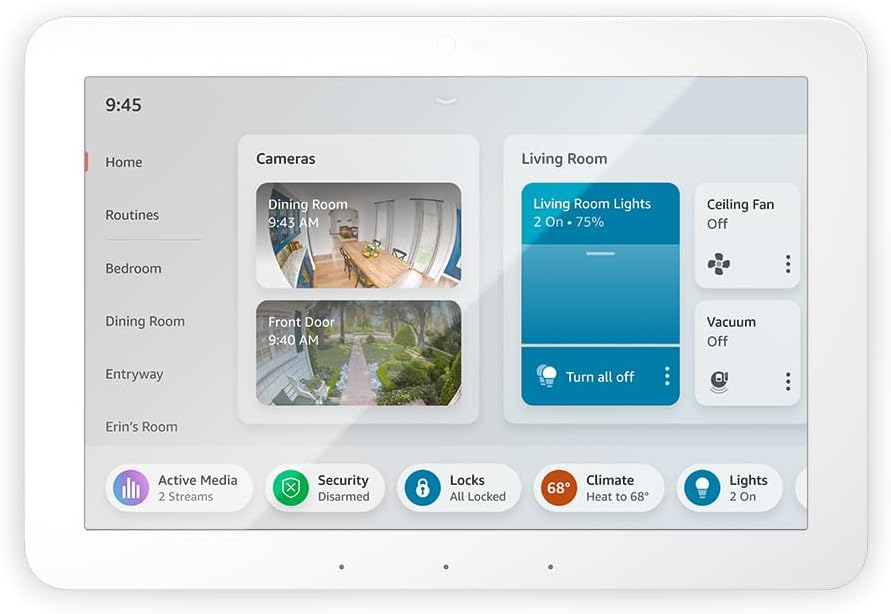
- Unified Control: Manage all smart home devices through a single app or voice assistant[1][3][15].
- Reliable Operation: Local-first architecture means devices work even during internet outages[1][6][9].
Types of Devices Supported by Matter
Matter certification covers a growing range of devices:
- Smart lights
- Smart thermostats
- Smart locks
- Smart cameras
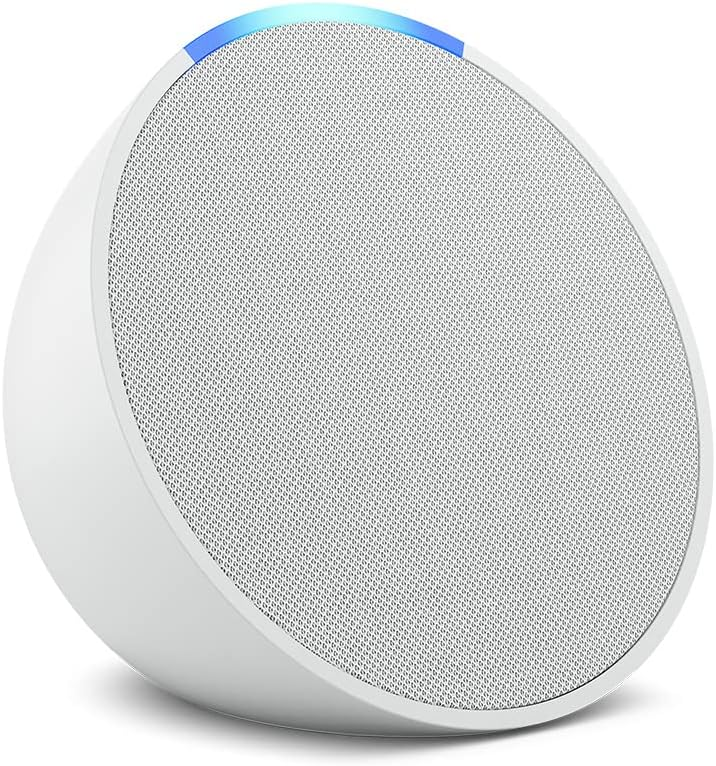
- Smart speakers and amplifiers
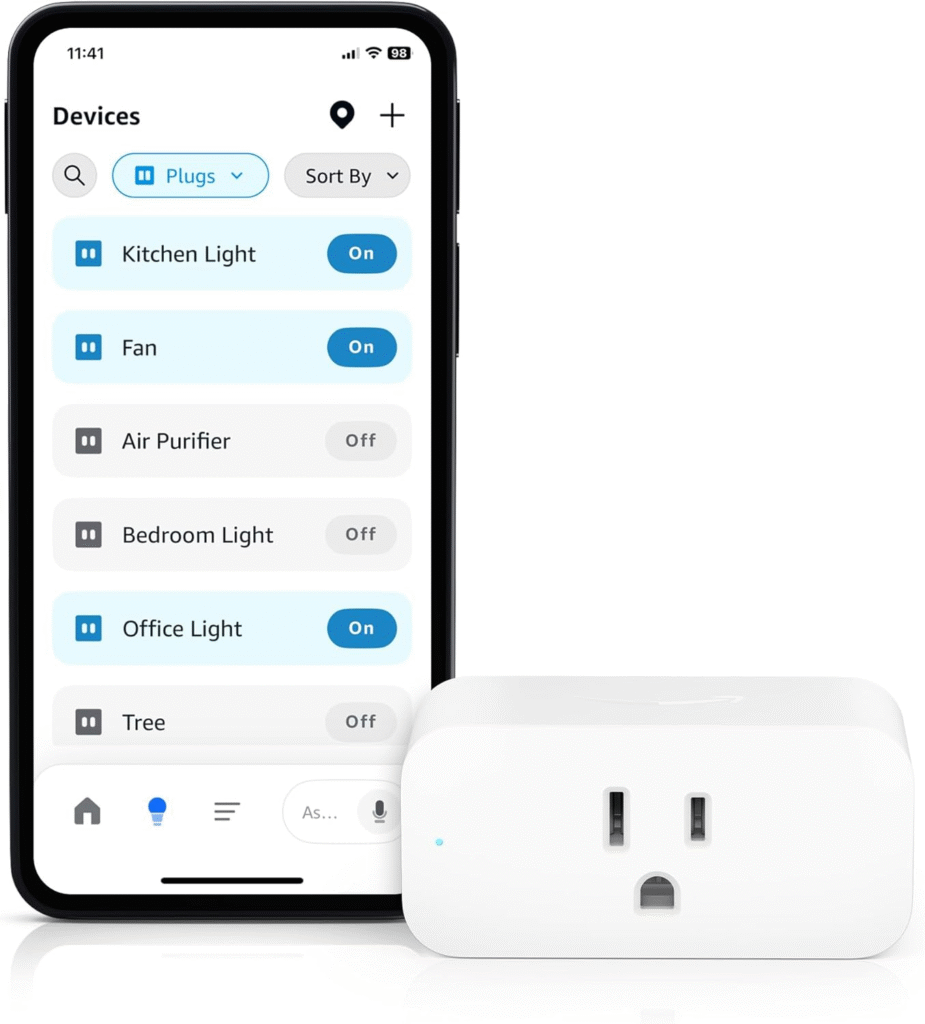
- Smart plugs and sockets
- Smart sensors and switches[2][15]
Best Practices for Adopting Matter in Your Smart Home
- Check for Certification: Always look for the Matter logo or certification on new purchases to ensure compatibility[1][3][5].
- Upgrade Existing Ecosystems: Many existing hubs and controllers (e.g., Google Nest Hub, Apple HomePod) are gaining Matter support through firmware updates[3][7][15].
- Mix and Match Brands: Take advantage of the interoperability by integrating devices from multiple manufacturers based on your needs[1][12].
- Prioritize Security: Keep device firmware updated and use local control wherever possible[1][6][9].
- Centralize Management: Use a single app or voice assistant for control, leveraging Matter’s unified standard[1][3][15].
Challenges and Limitations
- Rollout Pace: Not all devices support Matter yet, and some legacy products may never get updates[3][15].
- Feature Parity: Advanced features may still require manufacturer-specific apps until Matter expands its capabilities[3][1].
- Education: Consumers and installers may need to learn about Matter features and setup processes[1][2].
Conclusion
Matter protocol is rapidly reshaping the smart home landscape by delivering true compatibility, enhanced security, and a simplified user experience. Supported by industry leaders and built on open standards, Matter empowers consumers to build smarter, more integrated homes—free from the limitations of ecosystem silos and proprietary protocols. As more devices gain certification and the platform matures, the promise of seamless, secure, and user-friendly smart homes is closer to reality than ever before.
- Unlock the potential of your smart home by choosing Matter-certified devices.
- Embrace interoperability and enhanced security for a future-proof home.
- Stay informed as the protocol evolves to support new device types and features.