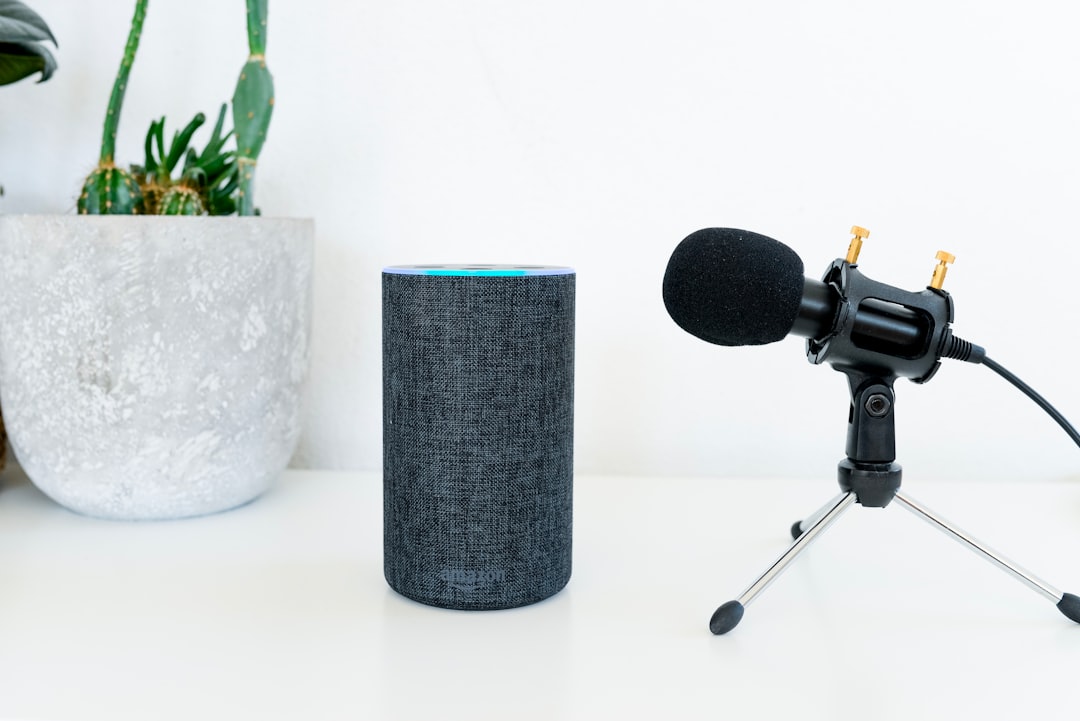
Alexa vs. The Competition: Comparing Voice Assistants in 2025
Voice assistants have evolved from simple curiosity to essential elements of daily life. In 2025, the landscape is more competitive than ever, with Amazon Alexa, Google Assistant, Apple’s Siri, and emerging platforms like DataBot, Cortana, and aiOla striving for dominance. This comprehensive guide compares Alexa to other leading voice assistants, helping you decide which is the best fit for your home, productivity, and privacy needs.
Understanding the Voice Assistant Landscape in 2025
The modern voice assistant is no longer limited to a smart speaker. Today, voice AI powers phones, TVs, vehicles, appliances, and even business workflows. The top contenders in 2025 include:
- Amazon Alexa
- Google Assistant
- Apple Siri
- Microsoft Cortana
- DataBot
- aiOla
Each assistant brings its own strengths to the table, shaped by the ecosystem it supports and the company’s vision for AI-powered living.
Alexa in 2025: Key Features and Improvements
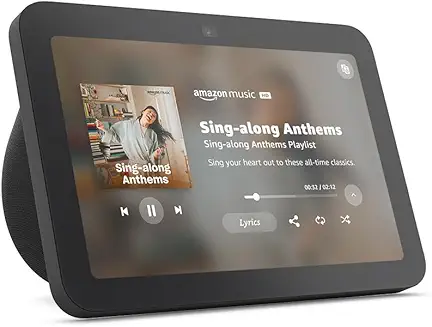
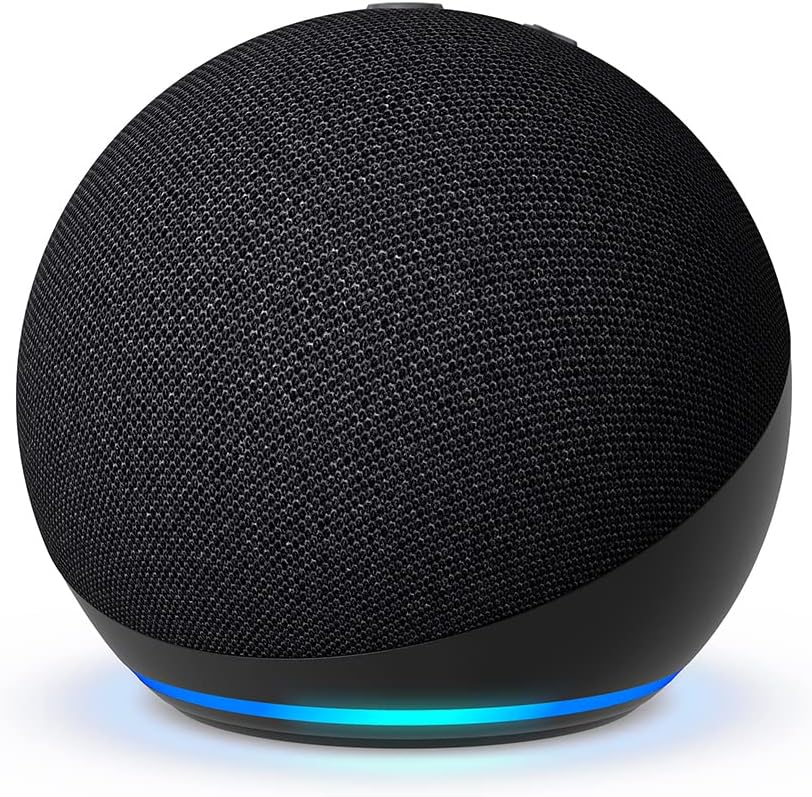
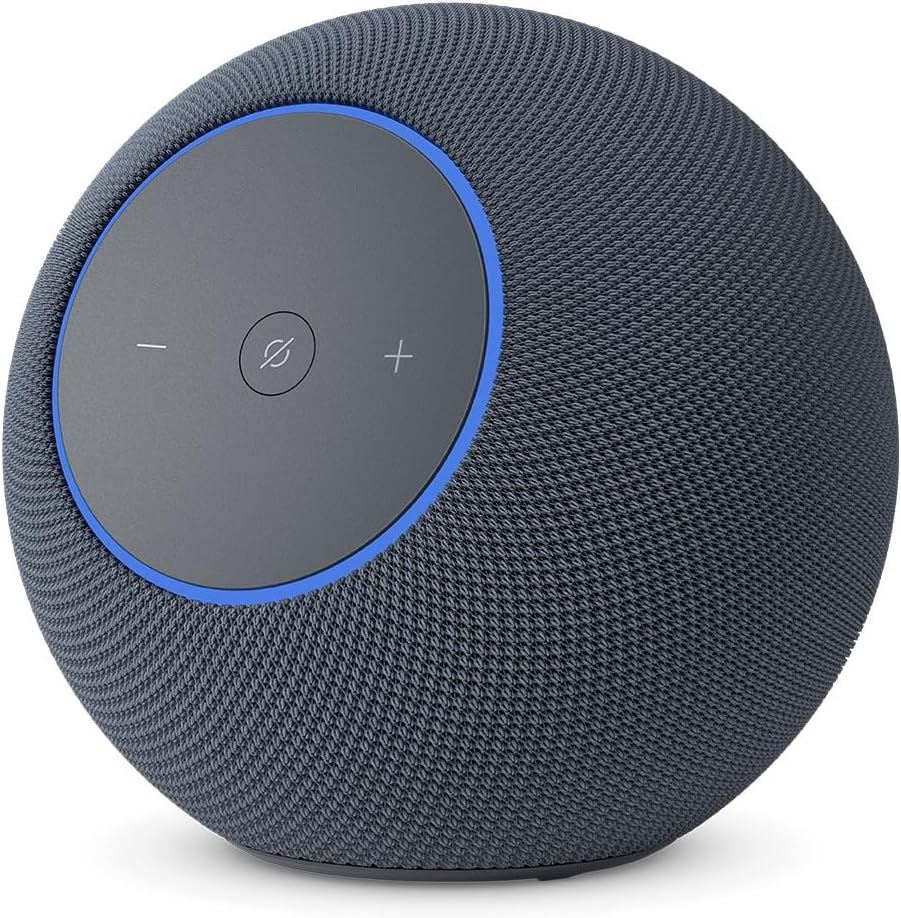
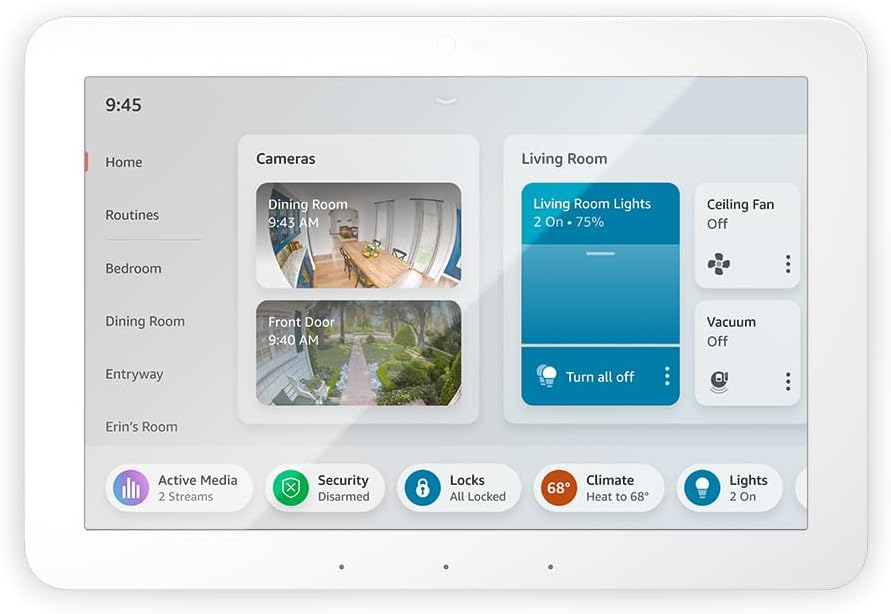
Amazon’s Alexa remains a household name, synonymous with voice-controlled smart homes and seamless e-commerce experiences. The release of Alexa+ in 2025 has introduced new AI-powered capabilities, focusing on natural, conversational, voice-first experiences that set it apart from productivity-centric rivals. Notable features include:
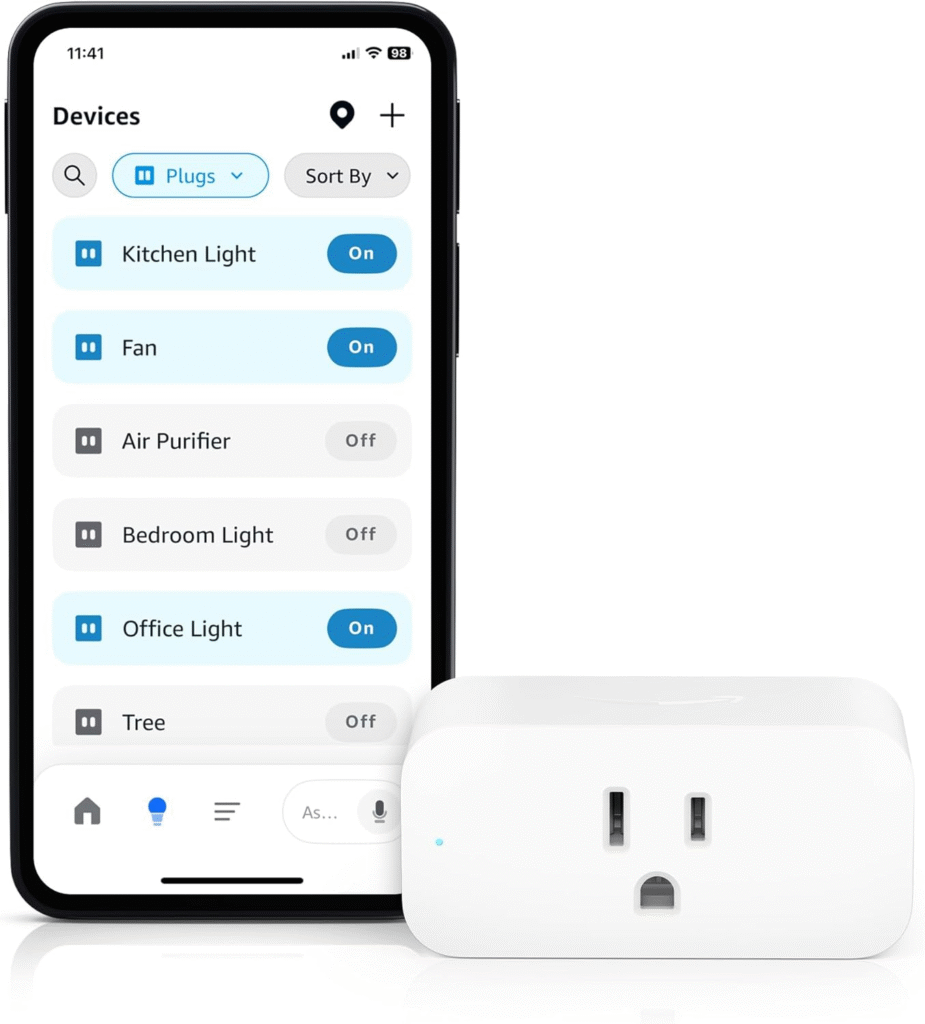
- Dynamic smart home routines and broad compatibility with third-party devices
- Enhanced shopping integration and delivery tracking for Amazon users
- Multi-profile support and personalized responses
- Customizable skills and routines through Alexa Skills
- Real-time call captioning and accessibility improvements
- Advanced privacy controls and user data protections
Alexa’s evolution has kept it at the forefront of domestic AI, especially for users deeply invested in Amazon’s ecosystem and those who value compatibility with a wide range of smart home devices[1][5][11].
Head-to-Head: Alexa vs. Google Assistant vs. Siri
| Feature | Alexa | Google Assistant | Siri |
|---|---|---|---|
| Supported Devices | Amazon Echo, Fire TV, Ring, 3rd-party devices | Android, Nest, Chromecast, smart displays | iPhone, iPad, Mac, HomePod, Apple Watch |
| Smart Home Integration | Extensive, best-in-class compatibility | Strong with Google Nest, good 3rd-party | Apple HomeKit only |
| Music Services | Amazon Music, Spotify, Apple Music | YouTube Music, Spotify, Apple Music | Apple Music |
| AI & NLP | Conversational, voice-first AI (Alexa+) | Advanced natural language processing | High accuracy (within Apple ecosystem) |
| Privacy & Security | Amazon-grade security, user controls | Google security, privacy transparency | On-device processing, minimal data sent |
| Customization | Thousands of Skills, routines, profiles | Routine automation, Google services | Limited customization |
| Voice Recognition | Good, room for improvement | Very accurate, especially with search | High accuracy with Apple devices |
Strengths and Weaknesses
- Alexa: Best for smart home compatibility, Amazon shoppers, and users seeking a customizable, voice-first experience[1][2][5][8][11].
- Google Assistant: Excels at information retrieval, conversational intelligence, and integration with Google’s suite of services[1][2][3][4].
- Siri: Ideal for users deeply embedded in the Apple ecosystem, with strong privacy and device integration[3][4].
Other Notable Voice Assistants in 2025
- DataBot: Offers customizable AI for niche productivity and entertainment use cases[1].
- Microsoft Cortana: Now focused on enterprise productivity and Windows integration[1].
- aiOla: Emerging as a business-focused voice assistant, leveraging AI for workflow automation[1].
Privacy, Security, and User Trust
As voice assistants collect increasing amounts of personal data, privacy remains a top concern. Key approaches in 2025 include:
- Alexa: Enhanced user controls, transparent data management, and third-party protections[4][11].
- Google Assistant: Detailed privacy dashboards and user consent features[2][4].
- Siri: Most processing done on-device, minimizing data transfer to servers[4].
Always review privacy settings and understand how voice data is stored and used, especially if integrating assistants into sensitive environments.
Choosing the Right Voice Assistant: Factors to Consider
- Ecosystem Compatibility: Select the assistant that best matches your devices (Amazon, Google, Apple, or mixed environment).
- Smart Home Needs: For the broadest device support, Alexa is often the top choice. Google Assistant works well with Google-centric homes, and Siri is best for all-Apple households[1][3][4][5].
- Privacy Priorities: If privacy is paramount, Siri’s on-device processing offers the greatest peace of mind[4].
- AI Capabilities: Google Assistant leads in conversational AI and search, while Alexa+ focuses on natural, voice-first interactions[2][8].
- Customization: Alexa’s Skills and routine options provide unmatched personalization[1][5].
- Business Use: Consider aiOla or Cortana for specialized business integration[1].
Best Practices for Using Voice Assistants in 2025
- Regularly review and update privacy settings for all assistants.
- Enable multi-factor authentication where available.
- Use routines and automation features to maximize productivity.
- Educate all household members about privacy and device management.
- Stay updated on new features and AI enhancements for your chosen assistant.
Conclusion: The Future of Voice Assistants
In 2025, no single voice assistant is perfect for every user. Alexa leads in smart home connectivity and shopping; Google Assistant is unmatched for information access and AI smarts; Siri is the go-to for Apple devotees prioritizing privacy. Evaluate your ecosystem, AI needs, and privacy preferences to choose the right assistant for your life. As voice AI continues to evolve, expect even greater integration, customization, and intelligence in the years ahead.