The History and Evolution of Alexa Smart Home Devices: From Voice Assistant to AI-Powered Home Hub
Since its launch in 2014, Amazon Alexa has become synonymous with the smart home revolution. What began as a simple voice assistant for playing music and delivering weather forecasts has evolved into a sophisticated, AI-powered ecosystem at the heart of millions of connected homes. This in-depth exploration traces Alexa’s journey, highlights key milestones, and offers actionable insights for optimizing your smart home experience today.
The Birth of Alexa: A New Era in the Smart Home (2014)
Amazon introduced Alexa to the world in November 2014, debuting alongside the original Amazon Echo smart speaker. Initially available by invitation only, Echo offered hands-free voice control for music, news, and basic queries—a novel concept that quickly captured the imagination of early adopters. Alexa’s advanced voice recognition and natural language processing set it apart from other consumer technologies of the time, paving the way for a new kind of interaction with technology at home[1][7][15].
Rapid Expansion: Skills, Integrations, and Hardware Innovation (2015–2018)
Opening the Platform: The Introduction of Alexa Skills
By 2015, Amazon had opened Alexa to third-party developers through the Alexa Skills Kit. Skills—essentially voice-driven apps—allowed Alexa to perform an ever-expanding array of tasks, from ordering pizza to controlling lights and thermostats[1]. By mid-2016, thousands of skills were available, transforming Alexa into a truly versatile assistant.
Device Diversity: Beyond the Original Echo
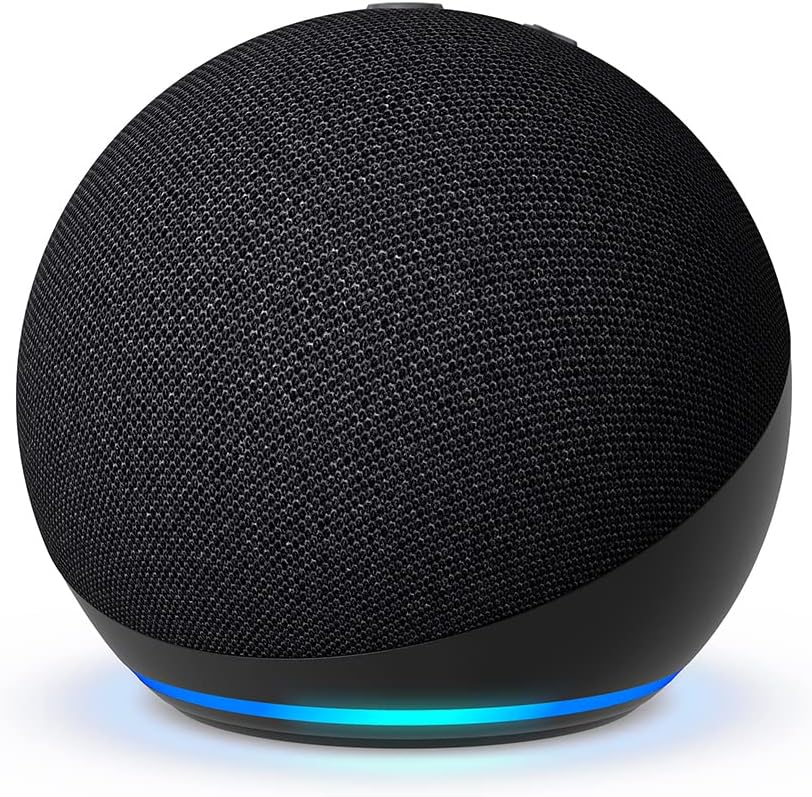
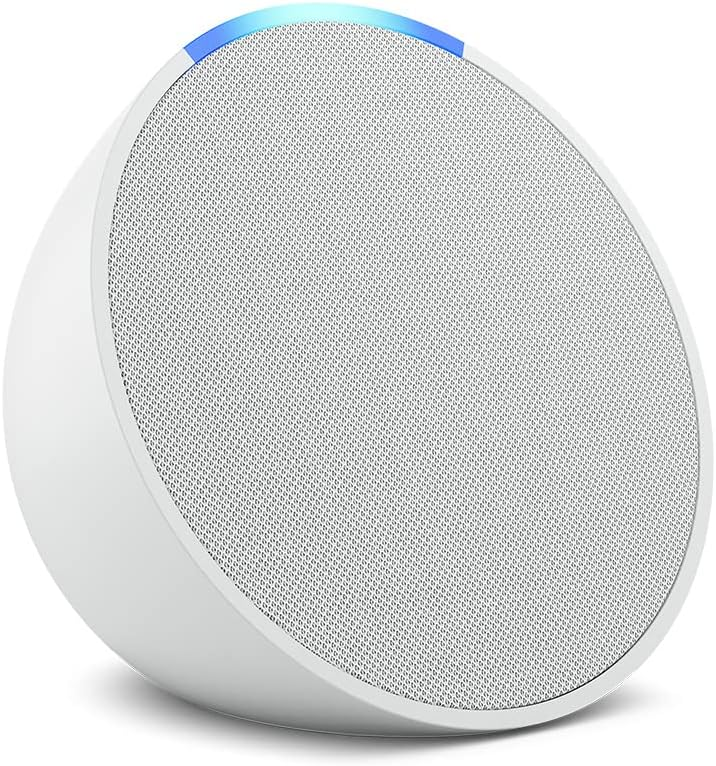
- Echo Dot (2016): A smaller, more affordable device that made Alexa accessible to more users.
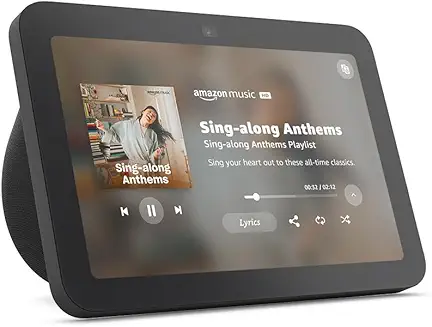
- Echo Show (2017): Added a screen for video calls, streaming media, and visual responses[3][7].
- Echo Tap & Echo Look: Portable and camera-equipped variants (Tap was later discontinued, Look phased out by 2020)[3].
- Integration in Non-Amazon Devices: TVs, cars, and appliances began featuring built-in Alexa, amplifying its reach[1][7].
Smart Home Ecosystem: Alexa as the Central Hub
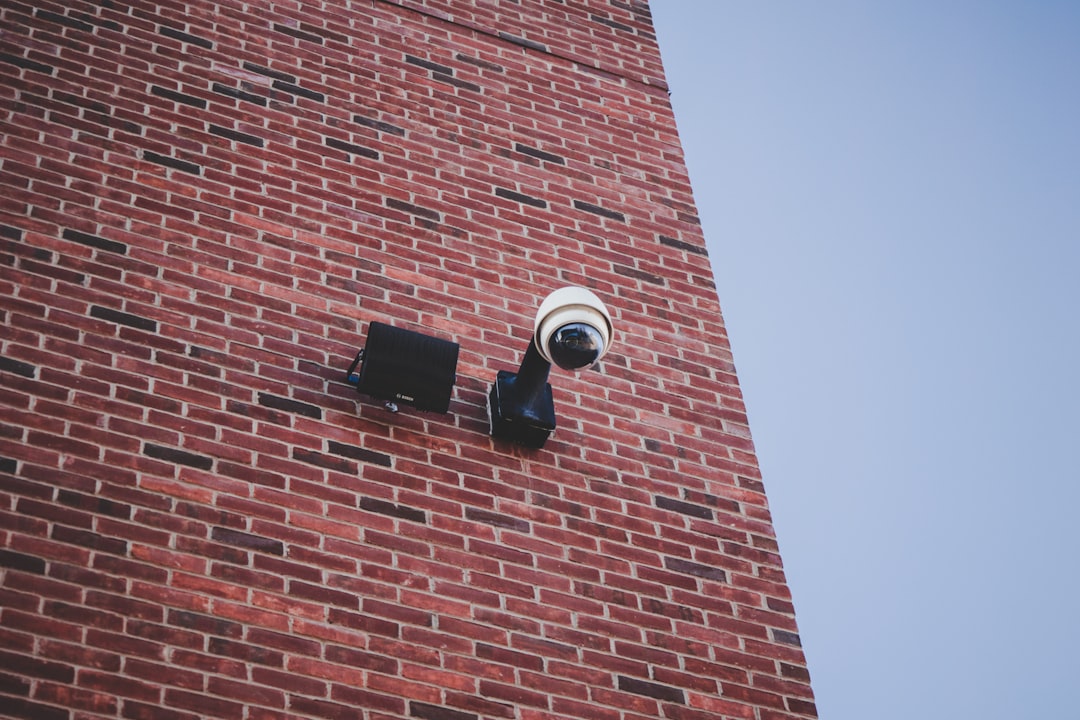
Alexa’s true power emerged as it became the control center for smart home automation. Users could now manage lighting, heating, security cameras, entertainment, and more—often from different brands—using simple voice commands[2][4][10]. By 2018, Alexa could be found in everything from thermostats to refrigerators, thanks to Amazon’s partnerships and open development platform.
Mainstream Success and Market Leadership (2018–2021)
- In 2018, Alexa was included in 35,000 new homes built by Lennar, marking a major milestone in home automation adoption[5].
- Amazon opened Alexa-themed pop-up shops and expanded retail presence, making smart home demos accessible to the public[5].
- By 2019, Alexa held approximately 70% of the U.S. virtual assistant market share, with Google Assistant a distant second[7].
- High-profile integrations and new devices like the Echo Studio (offering Dolby Atmos sound) further solidified Alexa’s dominance[5].
Challenges: User Retention and Monetization
Despite massive adoption, studies revealed a user retention problem: while millions tried Alexa’s features, sustained use lagged behind, especially for activities like shopping by voice[2][5]. Innovations in routine automation and proactive suggestions aimed to improve engagement, but monetization through voice purchases and ads remained elusive.
Alexa and Artificial Intelligence: The Next Generation (2022–2025)
Generative AI and Alexa+
By 2023, Amazon began leveraging large language models (LLMs) to power Alexa, greatly enhancing its conversational abilities, context awareness, and ability to interpret complex commands[7][5]. Privacy concerns grew as these advances involved more data collection and processing, but Amazon offered user controls for data management and recording deletion.
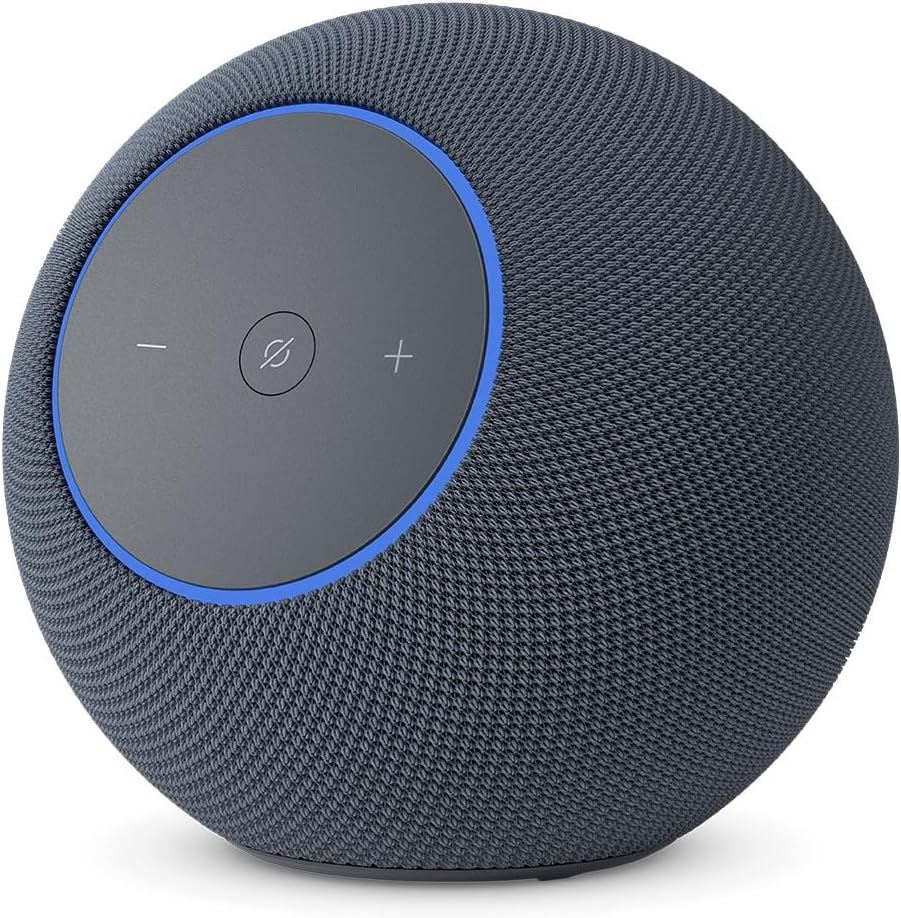
In February 2025, Alexa+, a generative AI-powered assistant, launched for all Prime members, providing more natural interactions and intelligent automation[5][3]. At the September 2025 Amazon Devices and Services event, the company highlighted ongoing development of its Vega OS and the continued rollout of Alexa+ across new Echo speakers and smart home devices[3].
Smart Home Features: What Alexa Can Do Today
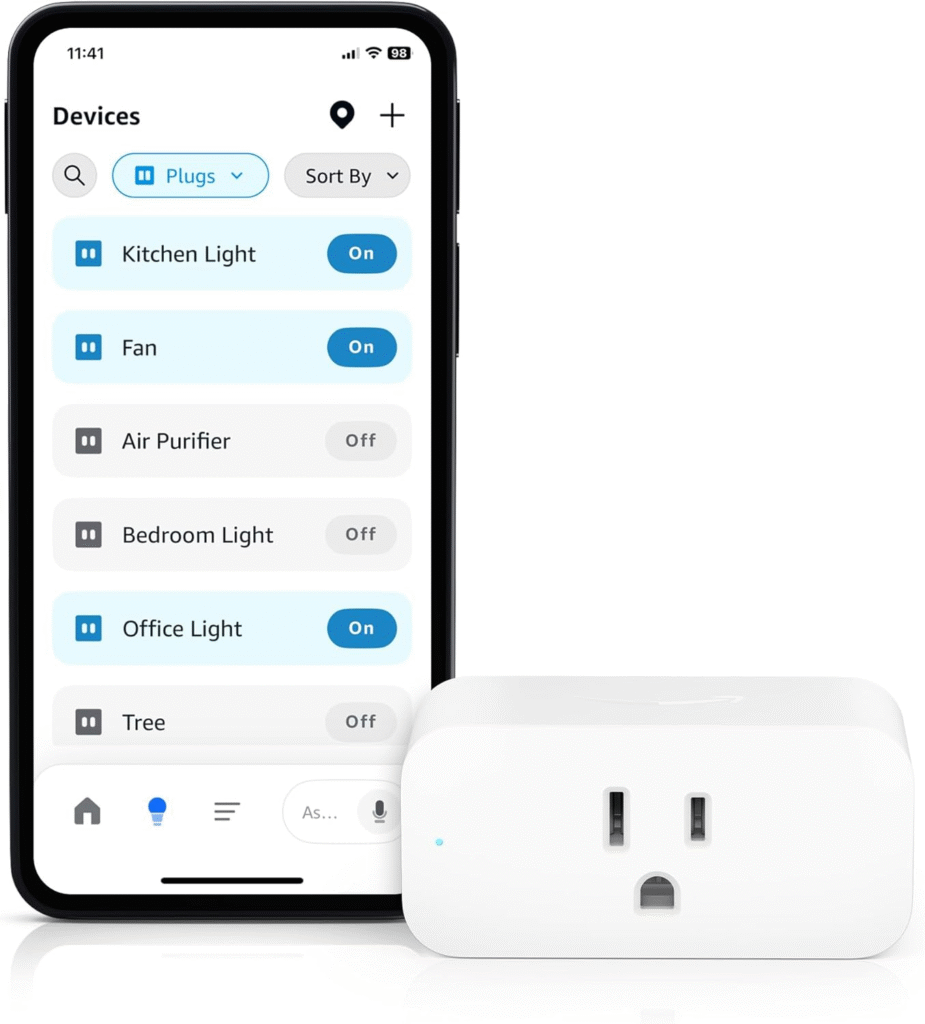
- Voice Control: Lights, thermostats, cameras, locks, entertainment systems, and more[4][10].
- Routines and Automations: Trigger multiple actions with a single command (e.g., “Good night” to turn off lights, lock doors, and lower the thermostat)[4][10].
- Proactive Suggestions: Alexa can recommend automations or notify users about device status changes[10].
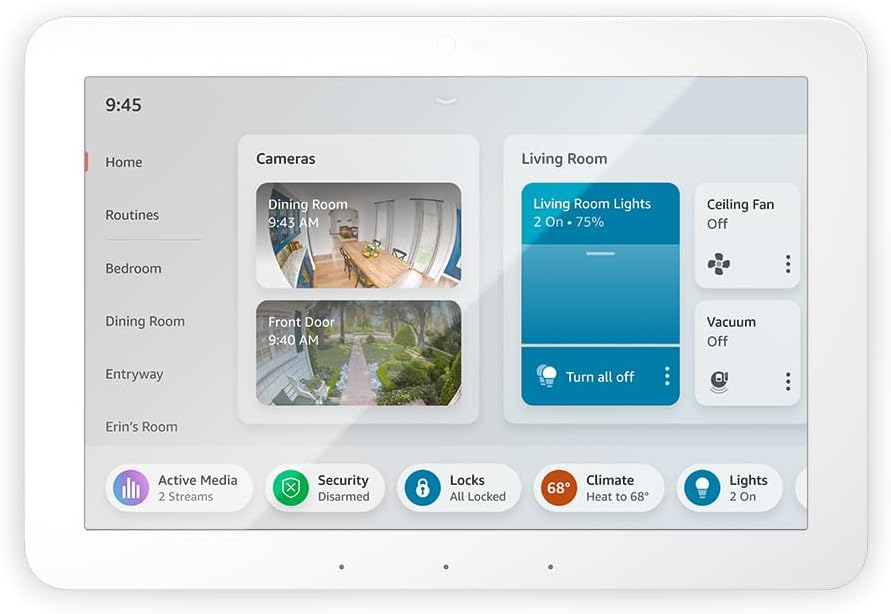
- Map View and Echo Hub: Visual control interfaces for managing devices by room or location[8].
- Integration with Third-Party Devices: Over 85,000 smart home products are compatible with Alexa[14].
Best Practices for Alexa Smart Home Users
1. Prioritize Privacy and Security
- Regularly review and delete voice recordings.
- Disable microphone or camera when not in use.
- Set up multi-factor authentication for your Amazon account.
2. Optimize Device Placement
- Place Echo devices centrally for optimal voice pickup.
- Avoid placing devices near TVs or speakers to minimize accidental triggers.
3. Leverage Routines and Automations
- Create morning and evening routines to automate lights, alarms, and thermostats.
- Set up location-based routines (e.g., turn off lights when you leave home).
4. Stay Updated on New Features
- Check the Alexa app and Amazon’s announcements for new skills, integrations, and privacy tools[6][8].
- Regularly update device firmware for security and feature enhancements.
The Future of Alexa: What’s Next?
With the introduction of generative AI, visual control hubs, and more proactive features, Alexa is poised to become even more intuitive and helpful for smart home users. As the ecosystem grows, expect deeper automation, better interoperability, and a stronger emphasis on privacy and responsible AI use.
Conclusion
Alexa’s journey from a voice-activated speaker to an advanced AI-driven smart home hub highlights the rapid evolution of home automation technology. For users, embracing best practices in privacy, automation, and device management ensures a secure, efficient, and future-proof smart home experience. As Alexa continues to innovate, its role in shaping the modern home is only set to expand.