Alexa’s Role in Home Energy Efficiency: How Smart Voice Tech Powers Sustainable Living
As smart technology advances, the quest for energy-efficient homes has become both a priority and a reality for homeowners. Among the leaders in this space is Amazon Alexa, whose voice-controlled platform is transforming the way we monitor, manage, and reduce energy consumption. This post explores Alexa’s growing influence on home energy efficiency, highlights the latest best practices, and offers actionable advice for a more sustainable smart home.
Why Home Energy Efficiency Matters
Energy-efficient homes are not just about lower utility bills—they’re fundamental to reducing our environmental footprint. With buildings accounting for a significant portion of global energy use, optimizing household consumption is critical in the fight against climate change. Smart home automation, led by platforms like Alexa, offers intuitive solutions for maximizing comfort while minimizing waste.
Amazon Alexa: Powering Smarter, Greener Living
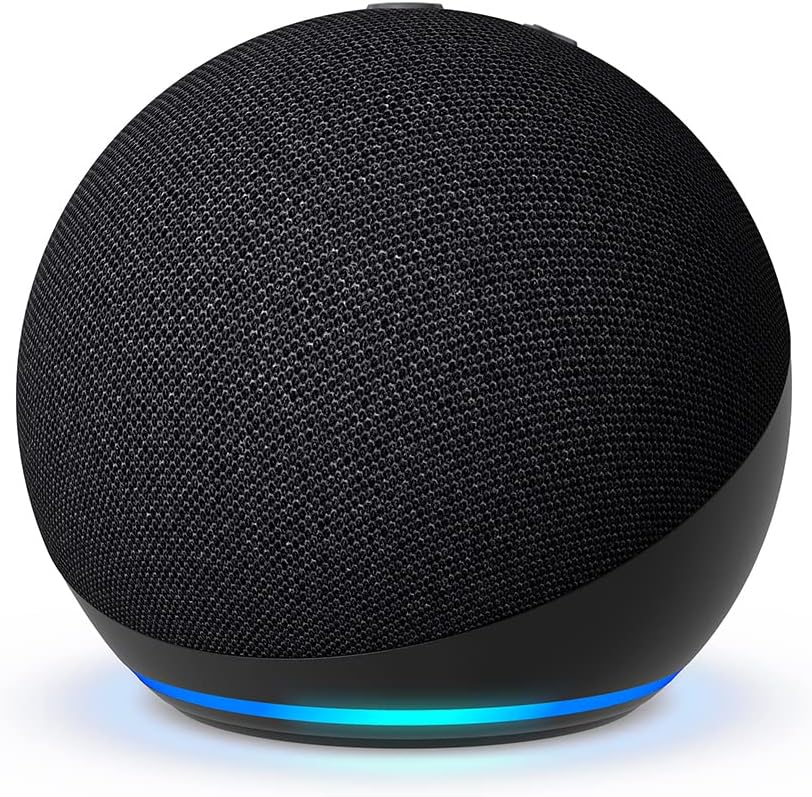
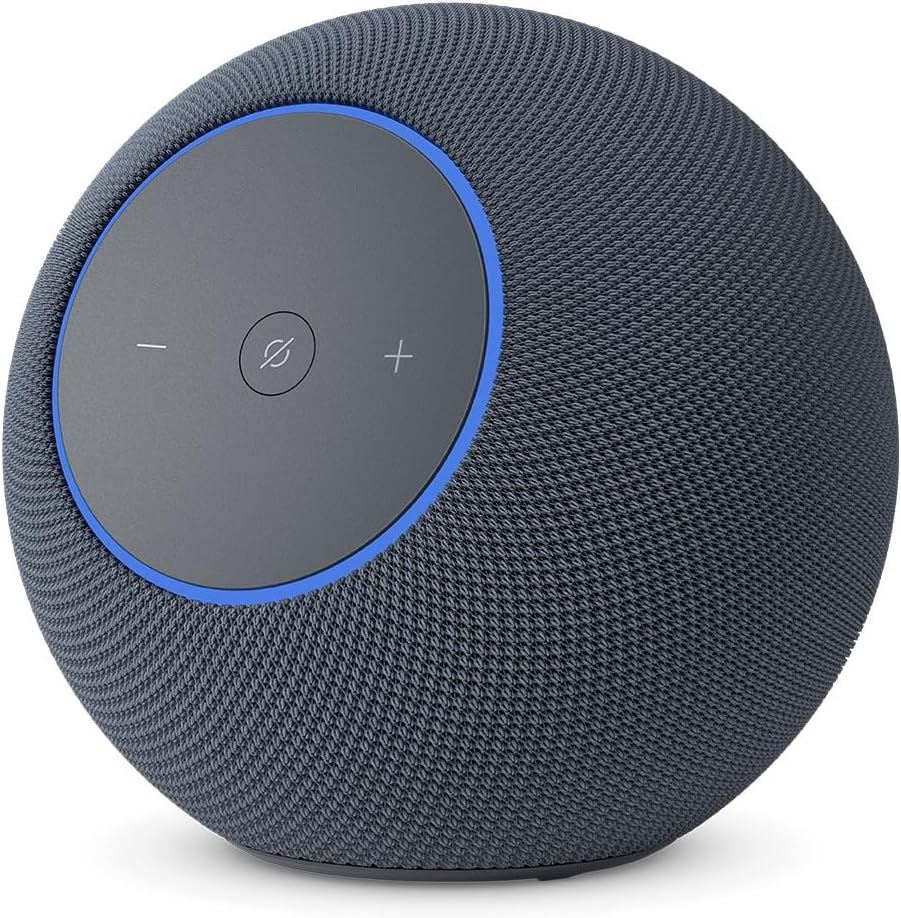
Amazon Alexa is a cloud-based voice assistant embedded in devices like Echo, Echo Dot, and third-party systems. Its strength lies in integrating with a vast ecosystem of smart home devices—thermostats, lights, plugs, appliances, and more—enabling seamless, intuitive energy management through simple voice commands or app control.[1][4]
Key Ways Alexa Enhances Home Energy Efficiency
- Voice-Activated Controls: Instantly adjust lighting, temperature, or appliances without physical switches, reducing unnecessary use.
- Smart Scheduling: Automate devices to run only when needed, preventing energy waste.
- Remote Monitoring: Check and control home energy consumption from anywhere via the Alexa app.
- Integration with Energy Dashboards: Access detailed insights on device usage and identify high-consumption appliances.[2][4]
- Seamless Smart Device Ecosystem: Alexa works with leading brands and protocols, making upgrades and expansions easy.[1][8]
Alexa-Compatible Devices That Drive Energy Savings
1. Smart Thermostats
Smart thermostats—such as those from Ecobee, Nest, and Amazon itself—are among the most impactful devices for energy savings. When integrated with Alexa, they offer:
- Voice and App Control: Set or adjust temperatures by voice or remotely, ensuring comfort and efficiency.[1]
- Automated Schedules: Program heating/cooling based on routines, occupancy, or weather, reducing unnecessary operation.
- Room Balancing: Use compatible sensors to fine-tune temperatures across different rooms for optimal comfort and savings.
- Energy Dashboards: Monitor historical usage and receive tips to optimize settings.[2]
2. Smart Plugs and Outlets
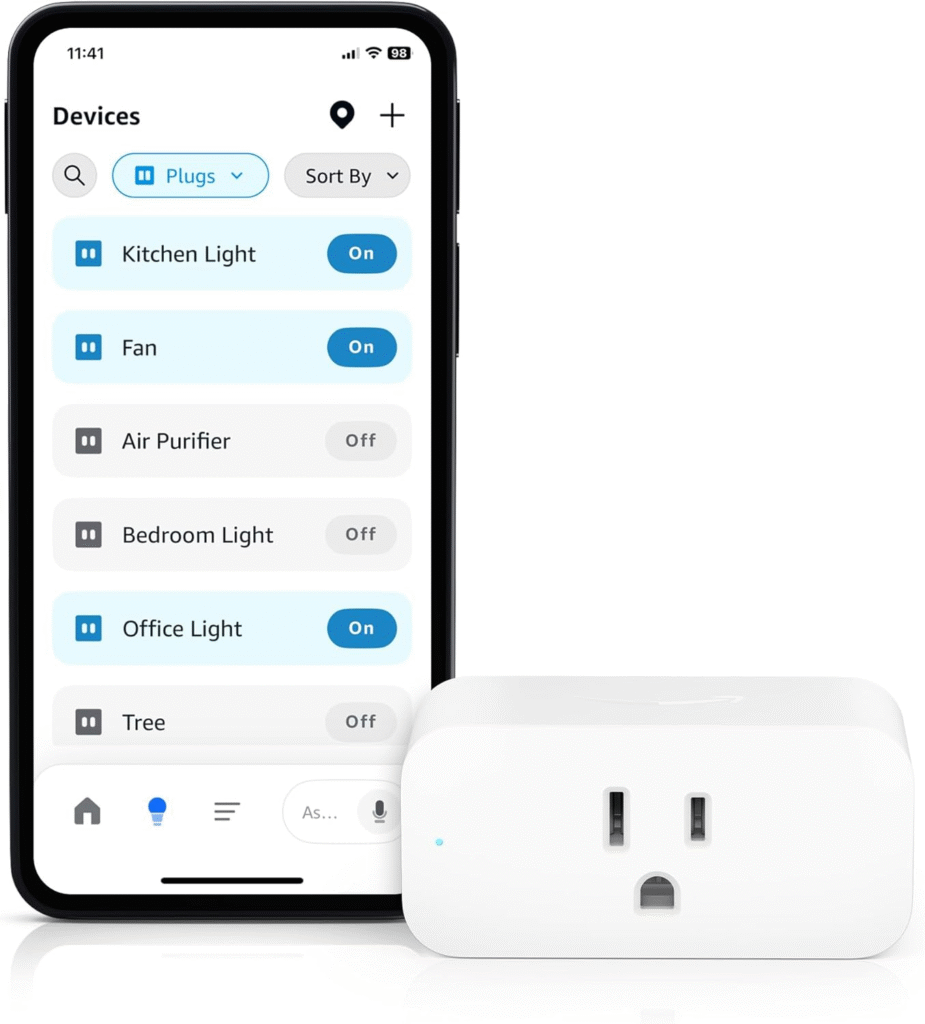
Smart plugs—like the Kasa Matter Smart Plug and Stromfee.me-enabled devices—transform ordinary appliances into intelligent, controllable assets. Their benefits include:
- Remote Control: Turn devices on/off from anywhere or via Alexa routines.[1][4]
- Energy Monitoring: Track consumption for each plugged-in device, identify energy hogs, and make informed decisions.[4]
- Scheduling: Automate operation times for maximum efficiency (e.g., only run a coffee machine during morning hours).
3. Smart Lighting
Alexa-compatible smart bulbs and switches (e.g., Philips Hue, TP-Link Kasa) offer:
- Custom Scenes: Set the perfect ambiance and reduce energy usage with dimming and color options.[5]
- Occupancy Automation: Use motion sensors or routines to ensure lights are off in empty rooms.
- Voice & App Control: Instantly adjust lighting from anywhere, at any time.
The Alexa Energy Dashboard: Insights and Control
Amazon’s Alexa Energy Dashboard is a powerful tool for tracking and managing energy use across compatible devices. Key features include:
- Daily Usage Tracking: See which devices consume the most energy and spot patterns over time.[2]
- Carbon Impact Insights: Understand the environmental effects of your energy choices.[3]
- Actionable Recommendations: Receive tips on settings and scheduling for efficiency gains.
Developers can also build custom Alexa skills that tap into energy data, expanding the possibilities for automation and user engagement.[2]
Amazon’s Broader Sustainability Commitments
Beyond empowering individual consumers, Amazon has made significant corporate pledges to sustainability. By 2025, the company aims to invest in enough wind and solar to match the electricity used by all active Echo, Fire TV, and Ring devices globally. Amazon also provides carbon impact insights to users, reinforcing the link between device usage and environmental impact.[3]
Best Practices: Maximizing Energy Efficiency with Alexa
1. Start with an Energy Audit
- Use smart plugs and the Alexa Energy Dashboard to identify high-consumption devices.
- Replace or schedule inefficient appliances for optimal operation.
2. Automate Wisely
- Set routines for heating, cooling, and lighting to align with your family’s schedule.
- Leverage occupancy sensors and geofencing to minimize energy use in unoccupied spaces.
3. Monitor and Adjust
- Review dashboard insights regularly and update routines to reflect seasonal or lifestyle changes.
- Enable auto-reminders for maintenance (e.g., HVAC filter changes) to keep systems running efficiently.
4. Expand Your Smart Ecosystem
- Integrate additional Alexa-compatible devices as your needs evolve—consider smart blinds, water heaters, and appliances.
- Stay informed about new Alexa features and sustainability initiatives.
Additional Benefits: Security and Accessibility
- Enhanced Security: Automate lighting to simulate occupancy, deterring intruders.
- Accessibility: Voice-activated controls empower users with mobility challenges to manage their environment independently.[4]
Getting Started: A Step-by-Step Guide
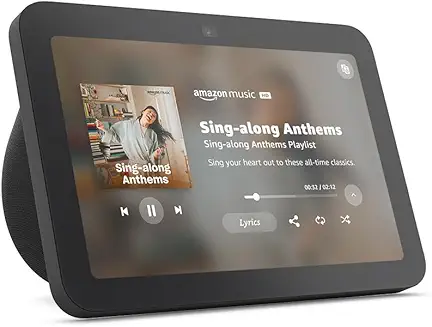
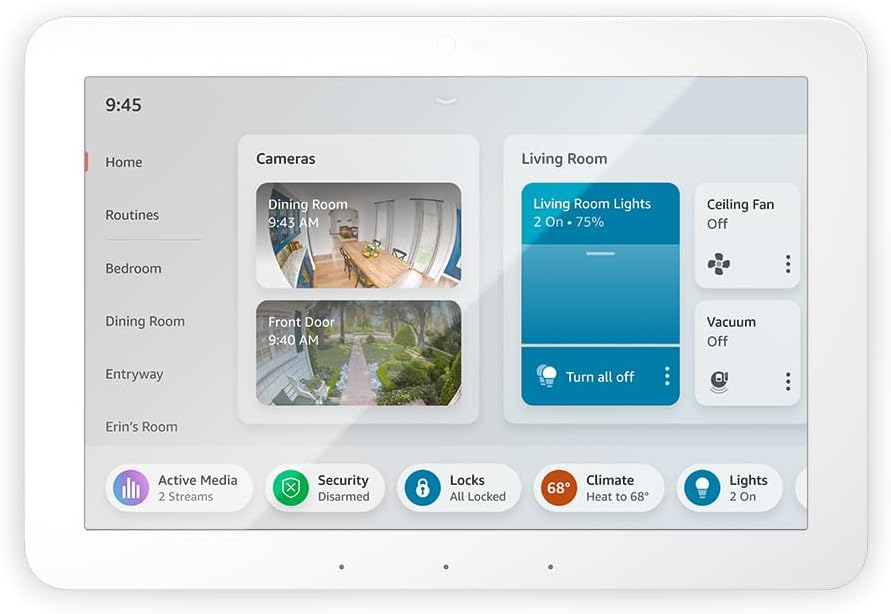
- Choose Your Alexa Device: Start with an Echo or compatible smart display.
- Add Smart Home Devices: Select thermostats, plugs, bulbs, and sensors that work with Alexa.
- Set Up the Alexa App: Follow guided setup for each device; group devices by room for easier control.
- Create Routines: Automate daily actions and tie them to your schedule or location.
- Monitor Usage: Use the Alexa Energy Dashboard to track and optimize energy consumption.
Conclusion: The Future of Energy-Efficient Smart Homes
Alexa has evolved from a simple voice assistant to a central hub for smarter, greener living. By integrating automation, energy monitoring, and user-friendly controls, Alexa empowers homeowners to take tangible steps toward sustainability. As smart home technology matures and Amazon deepens its commitment to renewable energy, the synergy between convenience, cost savings, and environmental responsibility will only strengthen. Start your journey today—let Alexa help you build a home that’s not just smart, but truly energy efficient.