Latest Trends in Alexa Device Integration for 2025
Alexa device integration is undergoing a profound transformation in 2025. Driven by advancements in artificial intelligence and sensor technology, Amazon’s ecosystem is becoming more proactive, conversational, and deeply embedded in everyday life. This post explores the most significant trends shaping Alexa device integration, actionable best practices, and what businesses and consumers can expect.
Introduction: Alexa’s Evolution
Since its inception, Alexa has been a pioneer in voice-enabled smart home technology. In 2025, the introduction of Alexa+—Amazon’s next-generation AI assistant—and a new lineup of Echo devices mark the beginning of a more personalized and ambient AI era[1][3][6]. With custom silicon and advanced sensor fusion, Alexa+ is redefining the user experience, making interactions more natural and routines more automated.
Key Trends in Alexa Device Integration for 2025
1. Next-Generation AI: Alexa+ and Conversational Intelligence
- Alexa+ offers deeply conversational, personalized, and context-aware assistance, doubling user engagement compared to previous versions[1][3][4][6].
- Natural language understanding allows users to ask complex, multi-step queries and receive intelligent responses, streamlining everyday tasks.
- The Alexa+ Store introduces third-party integrations from top brands, supporting subscription management and custom skills[3].
2. Advanced Hardware: Echo Devices Purpose-Built for Alexa+
- Amazon’s new Echo lineup features custom-designed silicon chips (AZ3 & AZ3 Pro) for real-time AI processing, improved wake word detection, and robust edge computing[1][3].
- Omnisense sensor fusion leverages cameras, audio, ultrasound, and Wi-Fi radar to deliver proactive, ambient experiences—such as reminders when someone enters a room or security alerts[1][3][4].
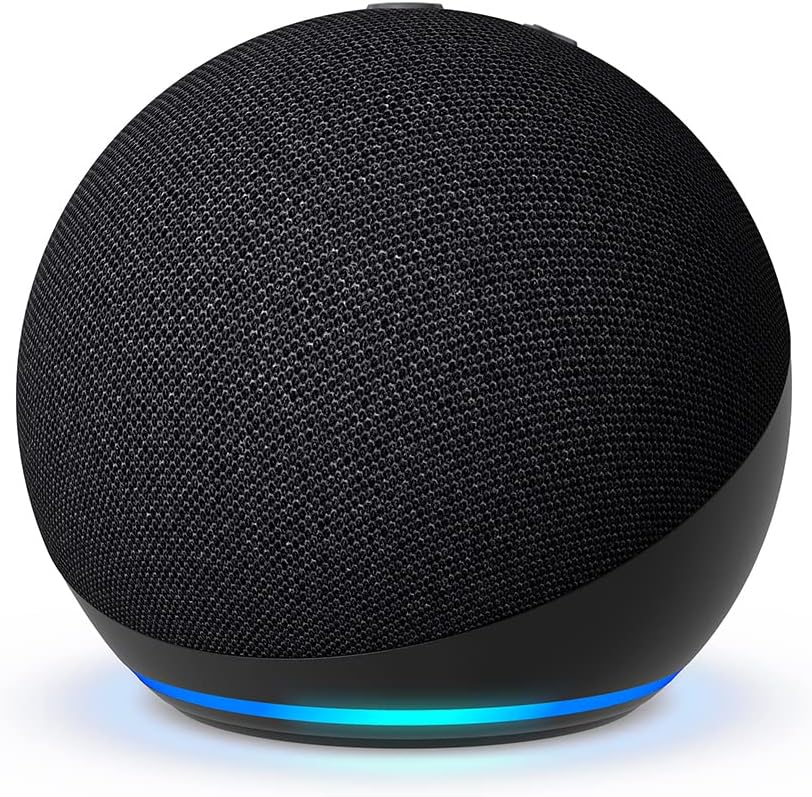
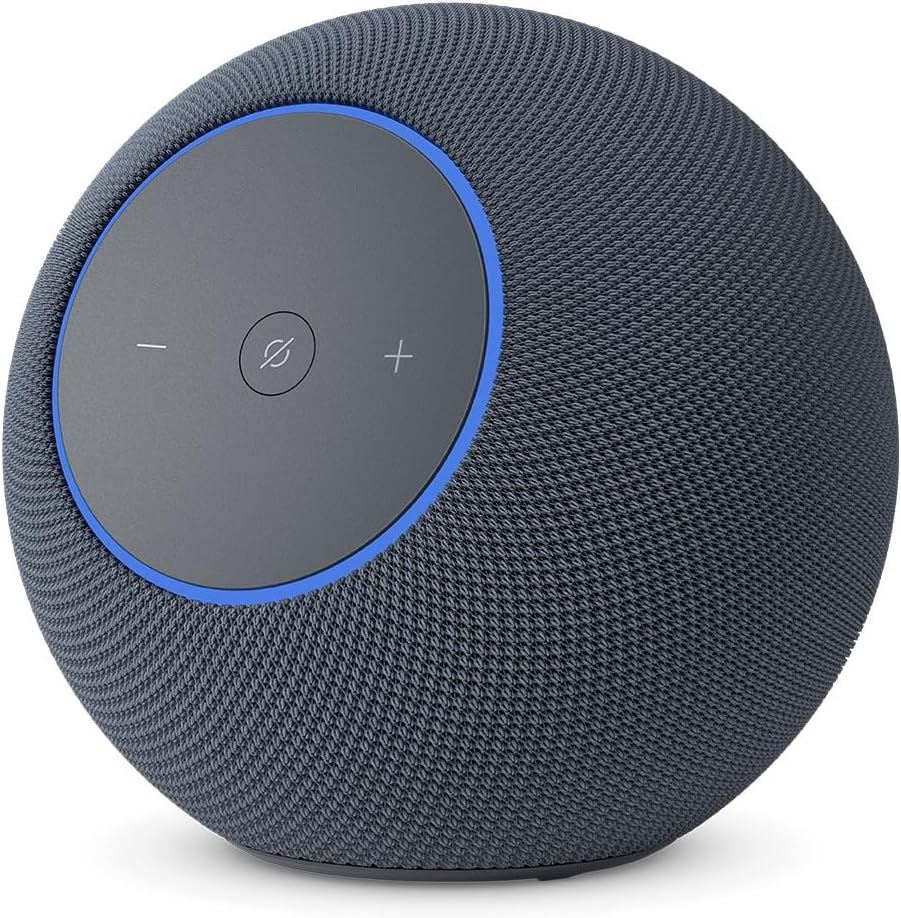
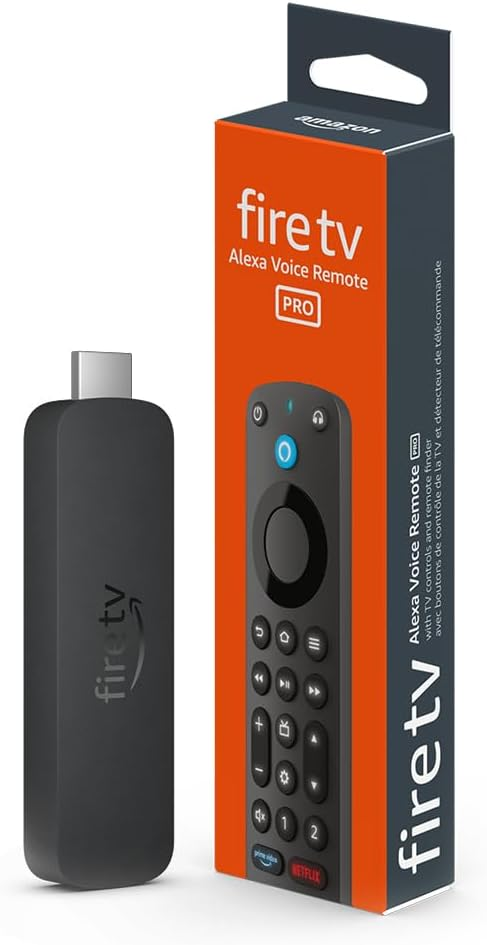
- Echo Dot Max and Echo Studio provide high-fidelity audio, spatial sound, and immersive home theater integration with Fire TV—offering seamless music and video control throughout the home[3][5].
3. Ambient AI and Proactive Automation
- Alexa+ enables ambient AI experiences that fade into the background, automatically responding to household events or context without explicit commands[1][3][4].
- New voice-only Routines let users set up complex automations (e.g., morning routines, security checks) entirely by voice—no app required[4].
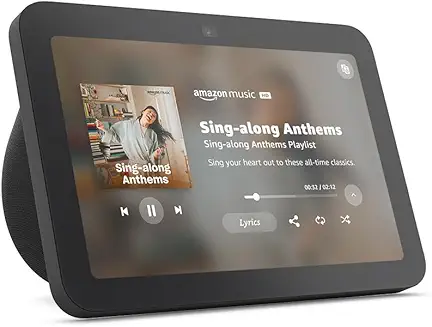
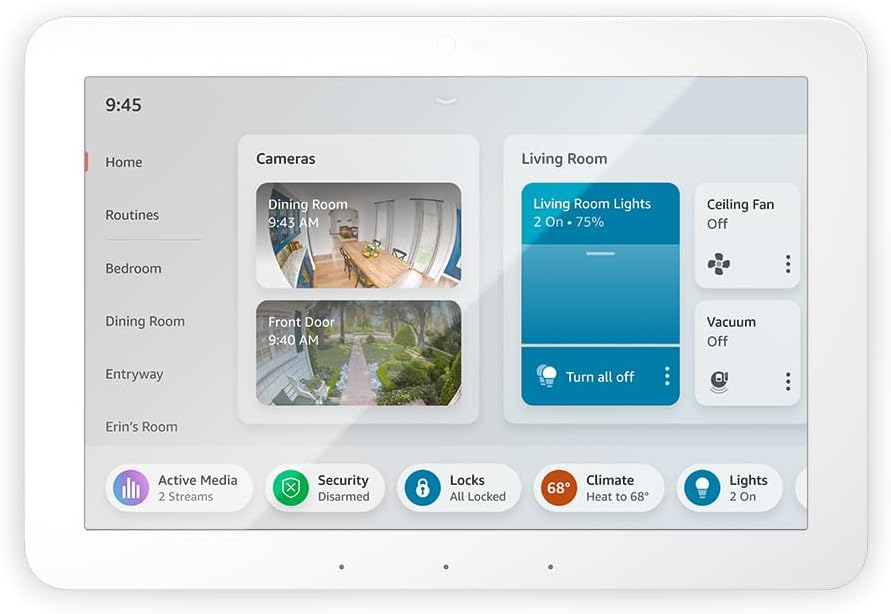
- Alexa+ can now summarize smart camera events, provide visual highlights on Echo Show devices, and answer specific questions about home activity[4][11].
4. Seamless Multi-Device Integration
- Alexa is embedded across a vast ecosystem: Echo speakers, Echo Show displays, Fire TV, Ring security, Kindle, tablets, smartphones, wearables, and third-party devices from major brands[2][5][6][9].
- Music and media can be moved fluidly between rooms and devices with simple voice commands.
- Alexa for Business offers enterprise-grade integration—conference calling, scheduling, and automation for offices[2].
5. Enhanced Smart Home Control and Security
- Alexa+ integrates deeply with smart security (Ring, Blink), providing real-time alerts and summaries of detected events[4][11].
- Vision transformers and advanced sensors enable contextual awareness (e.g., detecting an open garage door before bedtime)[3].
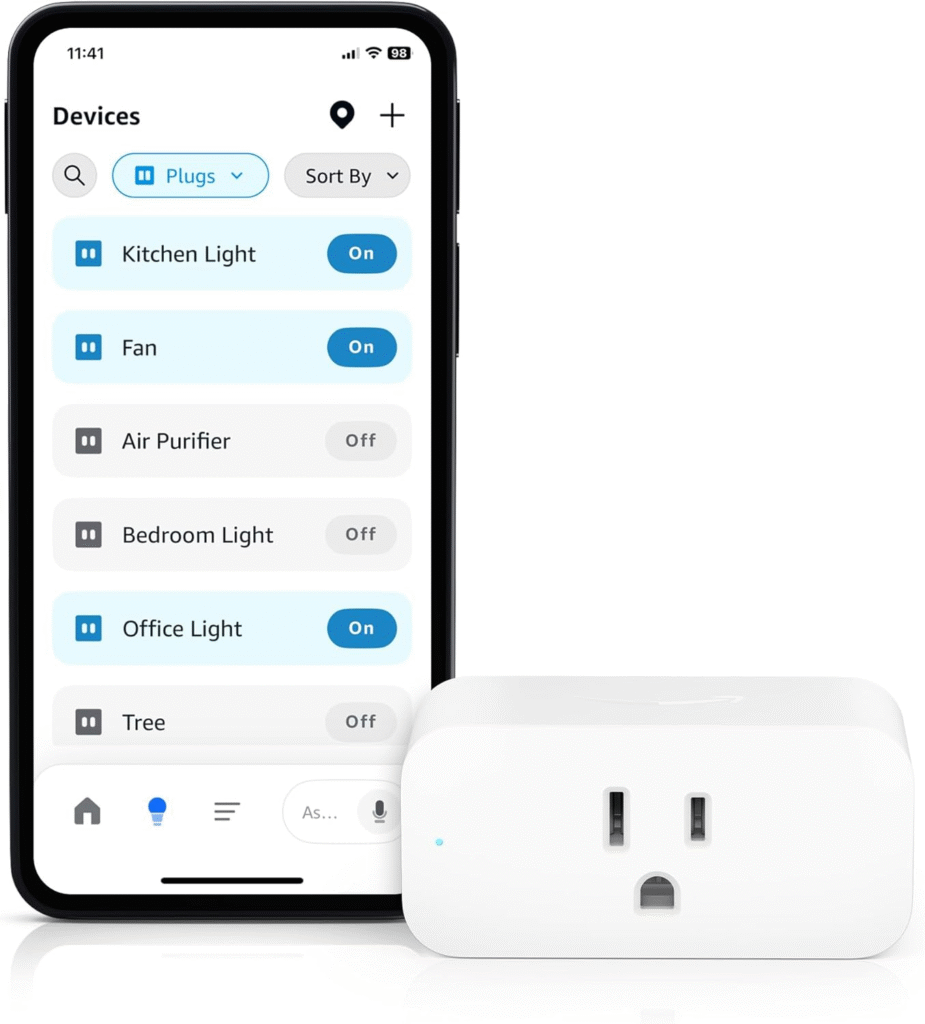
- Smart appliances (fridges, lights, thermostats) are increasingly Alexa-enabled, with voice control and inventory management[2].
6. Business Applications and Voice Commerce
- Businesses can list services and connect with customers via Alexa voice search, leveraging local search, appointment booking, and voice-driven transactions[2][13].
- Agentic AI powers smarter automation and deeper e-commerce integration, allowing for personalized recommendations and streamlined shopping experiences[13].
- Alexa’s compatibility with third-party enterprise platforms (Vonage, Skype, Cisco) boosts productivity and workflow automation[2][9].
Best Practices for Alexa Device Integration in 2025
- Leverage Alexa+ Routines: Create voice-driven automations for common tasks—morning routines, security checks, or entertainment setups.
- Utilize Multi-Device Connectivity: Sync music, video, and smart home controls across Echo, Fire TV, and third-party devices for a unified experience.
- Optimize for Natural Language: Design skills and business listings to understand conversational requests, supporting complex queries and contextual follow-ups.
- Explore Ambient AI Features: Enable proactive alerts and context-aware actions using advanced sensors and Omnisense capabilities.
- Integrate Security and Monitoring: Connect Ring or Blink devices for real-time event summaries and intelligent notifications on Echo Show.
- Stay Updated: Monitor the Alexa+ Store for new integrations, skills, and subscription management tools to enhance device capabilities.
Future Outlook: What to Expect Beyond 2025
- The Alexa Compatible Devices Market is projected to grow at a 14.3% CAGR, expanding opportunities for smart home and business integrations[7].
- Continued advancements in AI, edge computing, and sensor fusion will enable more personalized, secure, and ambient experiences.
- Alexa’s ecosystem will further activate Amazon’s broad suite of services, making real-world integrations more seamless and intuitive[10].
Conclusion: Embracing Alexa’s Ambient Intelligence
Alexa device integration in 2025 represents a leap forward in ambient, AI-driven smart living. With deeper personalization, context-aware automation, and a rapidly growing ecosystem, Alexa+ is setting new standards for convenience and intelligence in both home and business settings. By staying informed about the latest trends and best practices, users and organizations can unlock the full potential of Alexa’s evolving capabilities.