How the Matter Protocol Improves Smart Home Compatibility: The Future of Seamless IoT Integration
The smart home industry is undergoing a transformation. For years, homeowners and technology enthusiasts have struggled with fragmented ecosystems and devices that stubbornly refuse to communicate with one another. Enter the Matter Protocol: a groundbreaking, open-source standard that promises to make smart homes truly connected, secure, and universally compatible.
What Is the Matter Protocol?
Matter is an open connectivity standard developed by the Connectivity Standards Alliance (CSA), formerly known as the Zigbee Alliance, with backing from technology giants such as Apple, Google, Amazon, and Samsung SmartThings. Its goal is to eliminate the compatibility issues that have long plagued smart home devices, providing a universal language for all devices to communicate—regardless of brand or ecosystem [1][3][7].
- Open-source and IP-based: Matter is built on Internet Protocol (IP), which allows it to function seamlessly over existing home networks including Wi-Fi, Ethernet, and Thread [1][3].
- Universal interoperability: Devices carrying the Matter logo are certified to work reliably together, regardless of manufacturer [1][2][3].
- Local-first control: Core device functions are designed to work without an active internet connection, enhancing reliability and privacy [1][9].
Why Is Compatibility a Challenge in Smart Homes?
Historically, the smart home market has been fragmented. Devices were often locked into proprietary platforms, forcing users to choose between ecosystems (e.g., Apple HomeKit vs. Google Home vs. Amazon Alexa). This led to several problems:
- Limited device selection—users could only buy products compatible with their chosen hub or app.
- Complex setup—multiple apps, bridges, and hubs were needed for different brands [3][4].
- Poor user experience—devices often failed to work together or required workarounds.
How Matter Protocol Solves Smart Home Compatibility Issues
1. Universal Device Interoperability
Matter-certified devices are designed to work together seamlessly, regardless of brand or ecosystem [1][2][3][4][5]. This means you can mix and match smart lights, locks, thermostats, and sensors from different manufacturers in a single, integrated home automation setup.
- No more ecosystem lock-in—select devices based on features, not just compatibility [1][2].
- Smart devices communicate effortlessly, enabling advanced automation and routines.
2. Simplified Setup and User Experience
Matter dramatically streamlines the setup process. Adding a new device is as simple as scanning a QR code or following a few prompts in your preferred smart home app. Gone are the days of juggling multiple apps or configuring complex bridges [4][6][15].
- One standardized process for onboarding devices.
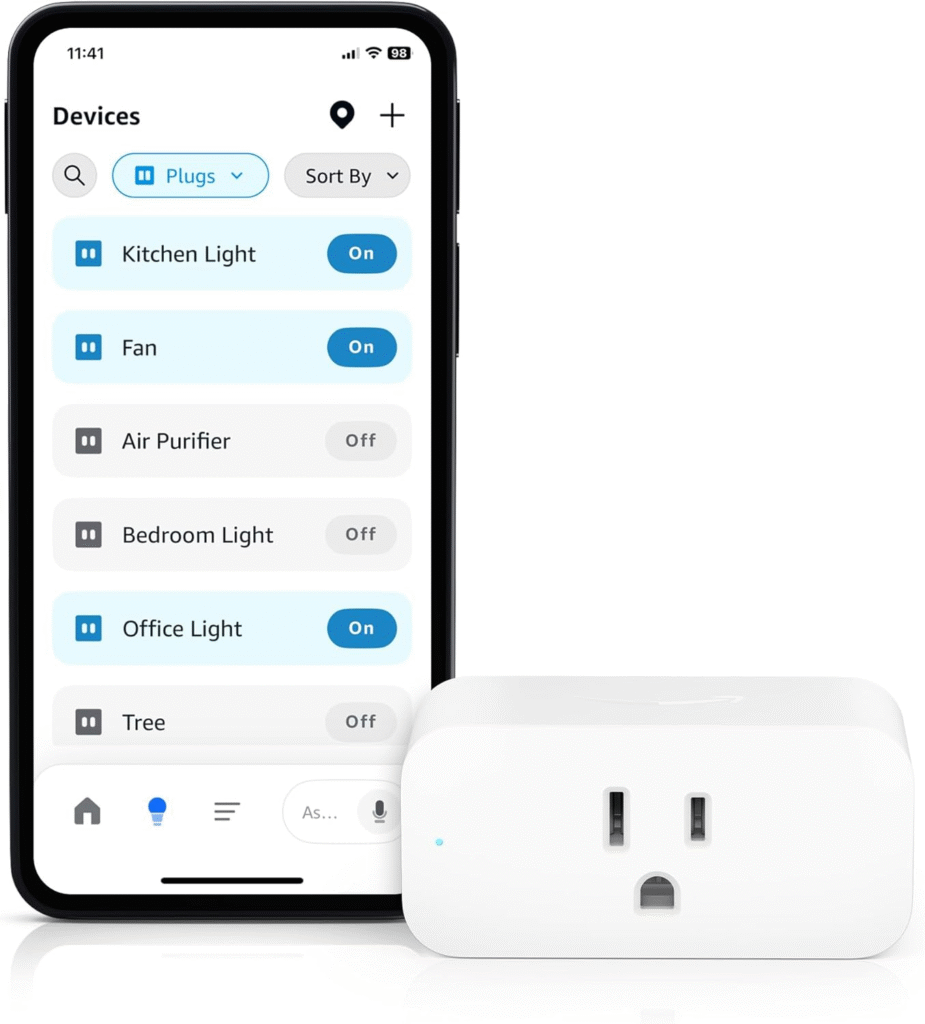
- Unified control—manage all Matter devices from a single app or voice assistant.
- Intuitive interfaces for device discovery and configuration.
3. Backward Compatibility and Future-Proofing
Worried about your existing devices? Many manufacturers offer firmware updates or bridges to bring non-Matter devices into the Matter ecosystem. This approach protects your investment and allows for a gradual transition to the new standard [2].
- Firmware updates to enable Matter support on select legacy devices.
- Compatibility bridges to connect older devices to Matter networks.
4. Enhanced Security and Privacy
Security has always been a concern for smart home devices. Matter addresses this with strong, mandatory encryption and device authentication protocols [1][4][9].
- End-to-end encryption for all device communications.
- Local-first operation reduces exposure to internet-based threats.
- Proactive security updates through the certification program.
5. Multi-Platform and Offline Control
Matter supports multi-admin control, so your devices can be managed by multiple platforms (e.g., Apple, Google, Amazon) at the same time [1][8]. It also enables offline operation—core functions remain available even if your internet goes down.
- Flexible device management from any supported ecosystem.
- Reliable automation and control, even during internet outages.
Benefits of Matter for Different Stakeholders
For Consumers:
- More choice and flexibility—buy devices for their features, not just platform compatibility.
- Simpler setup—onboarding new devices is easier and faster.
- Unified user experience—control all devices with a single app or voice assistant.
- Improved reliability and security—local-first and encrypted communication.
For Manufacturers:
- Streamlined product development—one protocol means less time developing for multiple platforms [1][5][10].
- Broader market access—Matter certification grants access to customers across all major ecosystems.
- Focus on innovation—less energy spent on compatibility, more on unique features.
Best Practices for Adopting Matter in Your Smart Home
- Look for the Matter logo when purchasing new devices to ensure future compatibility.
- Update firmware on existing devices when manufacturers release Matter support.
- Use compatibility bridges if you rely on legacy devices that lack direct Matter support.
- Consolidate control with a single app or platform that supports Matter for the best experience.
Frequently Asked Questions About Matter Protocol
What devices support Matter?
Matter is rolling out across popular categories like smart lights, locks, speakers, thermostats, sensors, and more, with major brands leading adoption [1][3].
Can I use Matter devices with my existing smart home hub?
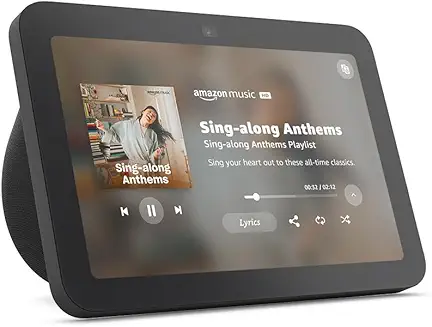
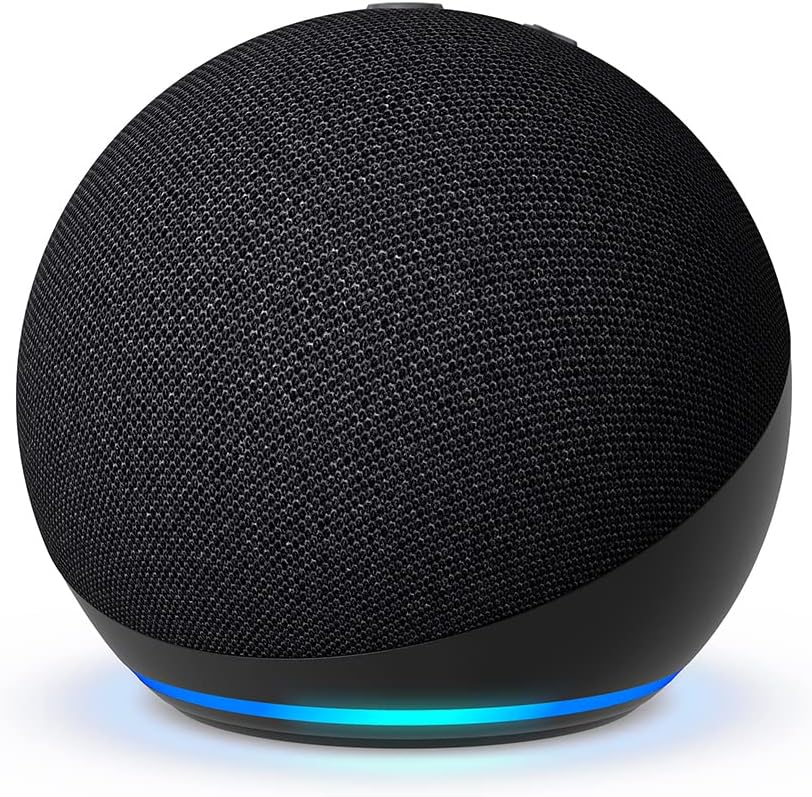
Most major hubs (such as Apple HomePod, Google Nest, and Amazon Echo) are adding Matter support. Check for firmware updates or compatibility information from your device manufacturer [1][2].
Is Matter secure?
Yes, security is a core feature of Matter, with all communications encrypted and strong authentication required [1][4][9].
Conclusion: The Future of Smart Homes Is Interconnected
The Matter Protocol is poised to end the era of smart home incompatibility. By providing a single, open standard for device communication, Matter empowers users to build smart homes that are flexible, secure, and effortless to manage. As adoption grows, expect to see a broader range of innovative devices and a seamless, unified experience—regardless of the brands you choose. Now is the perfect time to future-proof your home and embrace the next generation of smart living.