How the Matter Protocol Improves Smart Home Compatibility
In the rapidly evolving world of smart homes, a persistent challenge has been the lack of seamless compatibility between devices from different manufacturers. The Matter Protocol—backed by major industry players—aims to solve this by offering a universal connectivity standard that ensures interoperability, security, and simplicity for both consumers and manufacturers.
What Is the Matter Protocol?
Matter is an open-source, IP-based connectivity standard designed for smart home and Internet of Things (IoT) devices. Developed by the Connectivity Standards Alliance (CSA) and supported by giants such as Amazon, Apple, Google, and Samsung, Matter brings a unified approach to device communication. The protocol eliminates the need for multiple proprietary hubs, allowing devices to communicate over a single, secure protocol and work seamlessly across different ecosystems [1][7][11].
The Problem: Fragmentation in Smart Homes
Historically, smart home users have struggled with:
- Incompatibility between devices from different brands
- The need for multiple apps and proprietary hubs
- Complex setup processes
- Security vulnerabilities due to inconsistent standards
This fragmentation limited user choice and hindered the growth of truly integrated smart home experiences [1][2][3].
How Matter Protocol Solves Compatibility Issues
1. Universal Device Interoperability
The cornerstone of Matter is its ability to make devices from different manufacturers work together without issue. Whether it’s smart lights, thermostats, locks, or cameras, Matter-certified devices communicate natively, regardless of brand. This means users can mix and match products based on preference, not platform limitations [1][2][3][4][10].
- Seamless integration: Devices using Matter can easily be added to existing setups, ensuring a unified user experience.
- Platform agnostic: Matter works across major voice assistants and smart home platforms, including Amazon Alexa, Apple HomeKit, Google Assistant, and Samsung SmartThings [1][5][7].
- Future-proof: Matter certification ensures new devices will remain compatible as the ecosystem grows [1][2].
2. Simplified Setup and Management
Matter’s standardized approach makes device installation and management straightforward:
- Easy onboarding: Adding a new Matter device typically requires just a few taps in your preferred app, with automatic discovery and configuration [4][6].
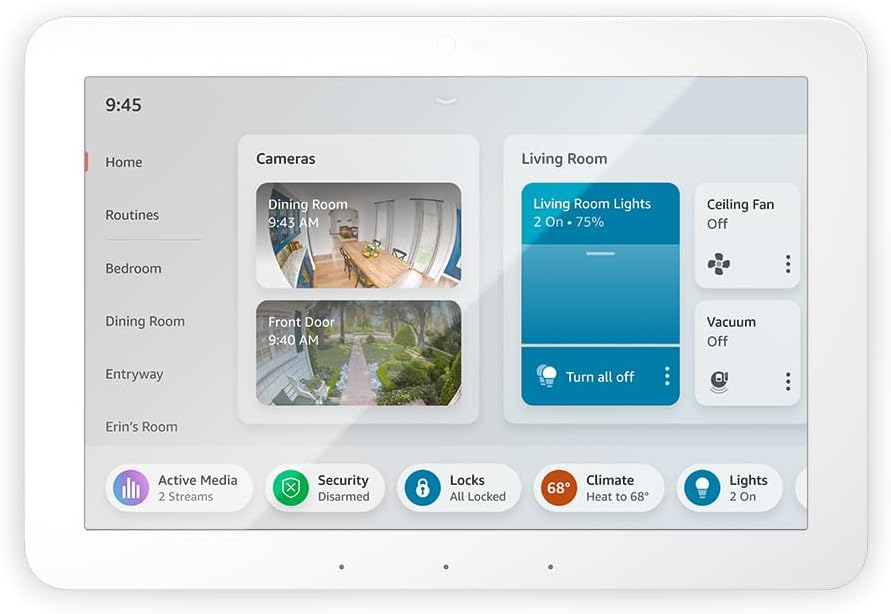
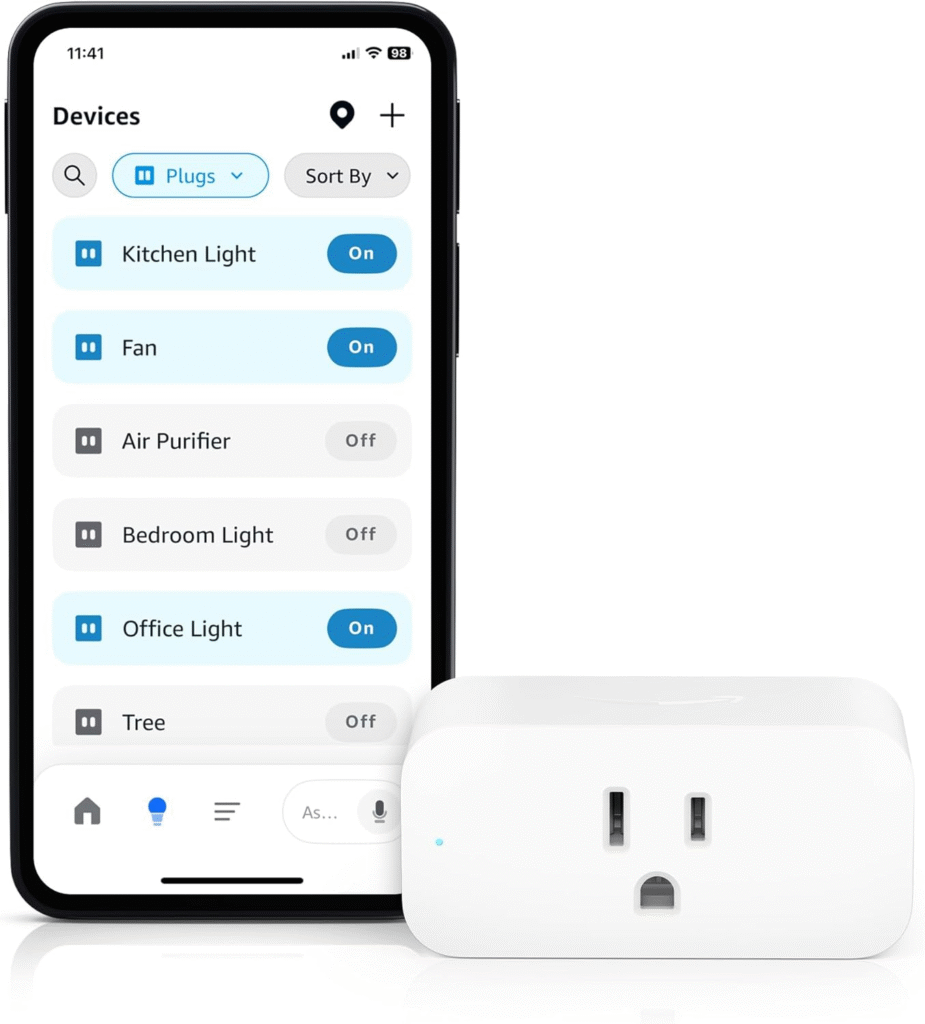
- Single application control: Manage all Matter-compatible devices from a single app, reducing the clutter of multiple interfaces [4].
- Backward compatibility: Many current devices can be updated via firmware or connected with compatibility bridges, so you don’t need to replace your entire setup [2].
3. Enhanced Security and Privacy
Security is foundational to Matter’s design:
- End-to-end encryption: All communications between Matter devices are strongly encrypted [1][4][12].
- Local-first control: Core device functions work locally, not relying on the cloud, reducing exposure to external threats [1][11].
- Regular security updates: The certification process includes ongoing updates to address emerging vulnerabilities [1][4].
4. Streamlined Development for Manufacturers
Matter provides a common development framework, saving manufacturers time and resources:
- Single certification path: Developers create one product that is compatible with multiple ecosystems, accelerating time-to-market [1][5][14].
- Cost savings: Reduced need to support multiple proprietary standards and platforms [2].
- Faster innovation: Manufacturers can focus on unique features rather than basic compatibility [2].
Technical Foundations: How Matter Works
Matter is built on Internet Protocol (IP), using technologies like IPv6 and mDNS for device discovery and communication. For low-bandwidth applications, Matter leverages the Thread protocol—ideal for battery-operated devices like sensors and locks. Controllers (such as smart speakers or hubs) manage devices within the local network, ensuring reliable operation even without internet connectivity [1][3][8].
Best Practices for Adopting Matter in Your Smart Home
- Choose Matter-certified devices: Look for the Matter logo to ensure new purchases are compatible.
- Update existing devices: Check if your devices can receive firmware updates or connect via bridges to join the Matter ecosystem [2].
- Consolidate control: Use a single app or voice assistant to manage all Matter-enabled devices for a simpler experience [4].
- Prioritize security: Regularly update devices and use strong authentication to maximize the benefits of Matter’s advanced security features.
Current and Future Impact
The adoption of the Matter Protocol is already reshaping the smart home landscape. Major brands are rolling out Matter-compatible products across categories such as lighting, climate control, security, and entertainment [1][3]. As more manufacturers adopt the standard, consumers can expect an ever-broader selection of interoperable devices and a smoother, more reliable smart home experience.
Conclusion
The Matter Protocol represents a significant leap forward in smart home technology. By eliminating compatibility barriers, simplifying setup, and prioritizing security, Matter empowers users to build smart homes tailored to their needs—without being locked into a single ecosystem. Whether you’re upgrading your current devices or starting from scratch, Matter is set to become the universal language of the smart home, making automation more accessible, flexible, and secure than ever before.