Smart Home Automation: What’s New with Alexa in 2025
Smart homes have come a long way from controlling lights with a simple voice command. In 2025, Amazon Alexa has redefined what it means to have a connected, intelligent home. With the introduction of Alexa+, advanced Echo devices, and intuitive AI-driven experiences, home automation is more powerful, proactive, and personalized than ever before.
Table of Contents
- Alexa+: The Next Generation AI Assistant
- The Latest Echo Devices: Designed for Smarter Living
- Intuitive, Conversational Home Automation
- Unified Device Control and Seamless Integration
- Best Practices for Building a Smart Home with Alexa
- Future Trends and What’s Next
Alexa+: The Next Generation AI Assistant
In 2025, Alexa+ represents a leap forward in smart home intelligence. Powered by Amazon’s latest large language models, Alexa+ is deeply conversational, highly personalized, and context-aware.[1][3]
- Personalization: Alexa+ remembers your family’s preferences, routines, and even special dates. Tell Alexa your dietary restrictions, favorite music, or important events, and she will tailor recommendations and reminders for you.[3]
- Proactive Assistance: Alexa+ doesn’t just wait for commands. She can suggest you leave early when traffic is heavy, recommend gifts based on your past shopping, and help organize your calendar.[3][1]
- Privacy and Security: Health and wellness integrations, such as with Oura and Withings, ensure your sensitive data is handled with the highest privacy standards.[1]
The Latest Echo Devices: Designed for Smarter Living
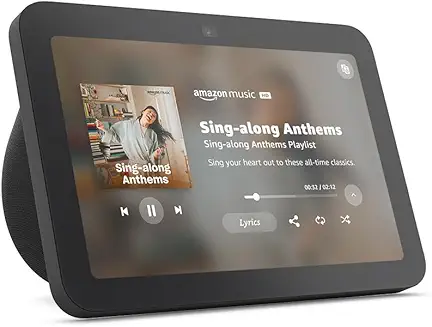
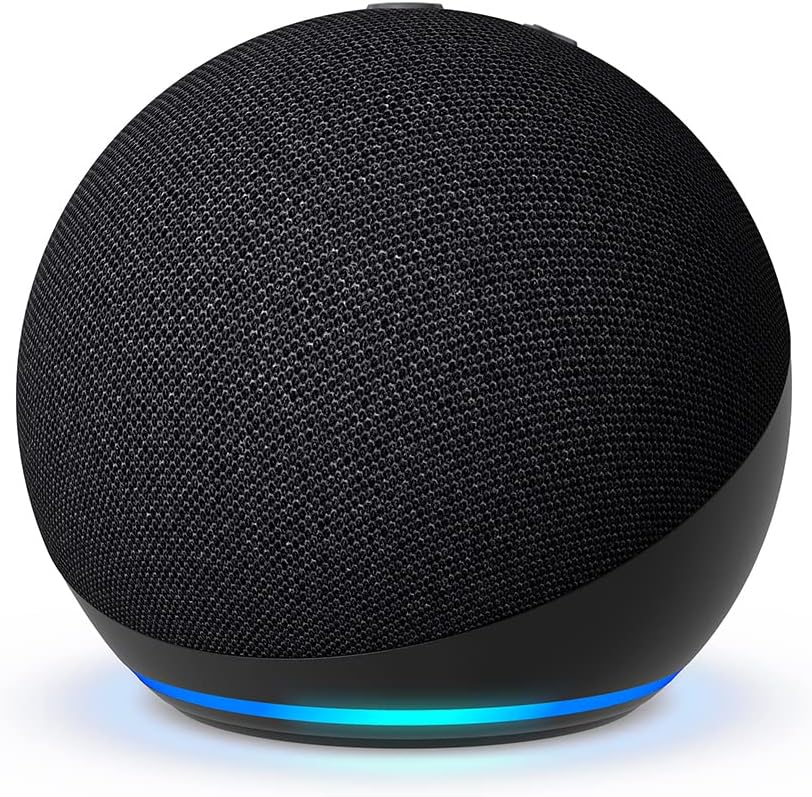
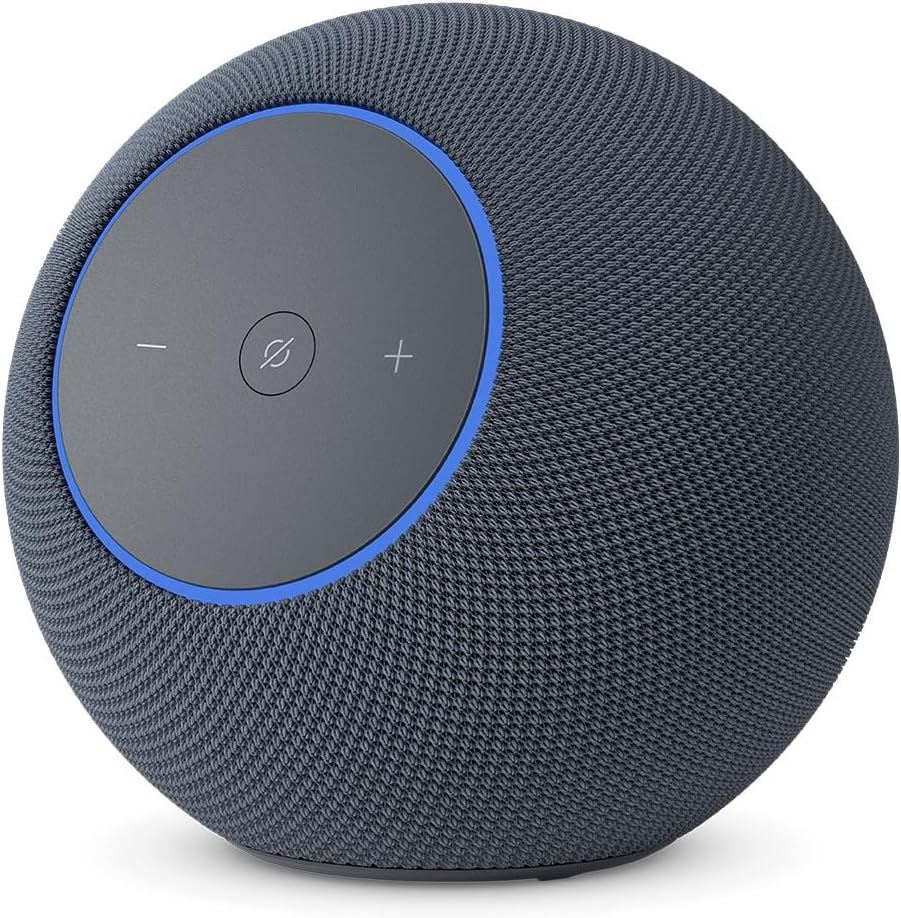
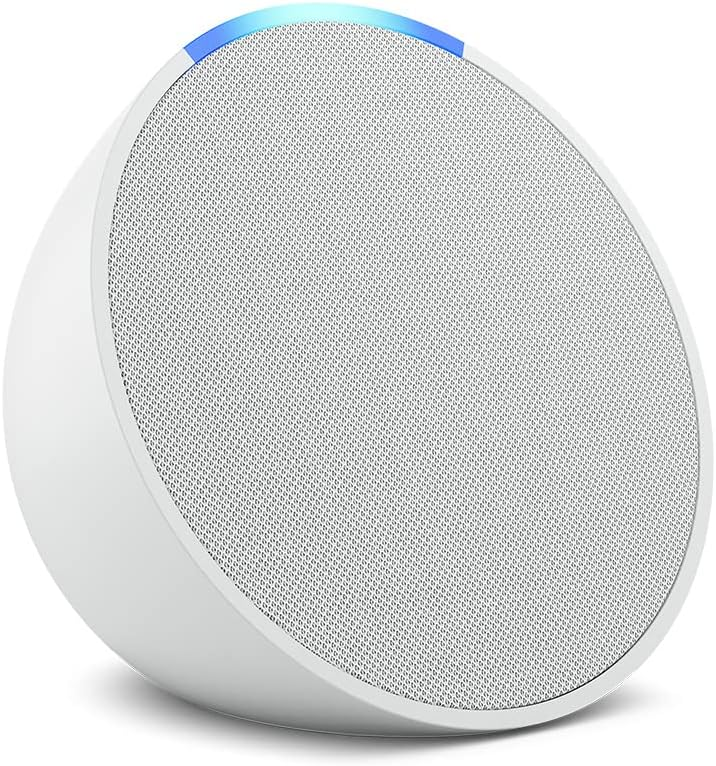
Amazon’s new Echo lineup—including the Echo Dot Max, Echo Studio, Echo Show 8, and Echo Show 11—are purpose-built for Alexa+.[1][5] These devices feature:
- Custom-designed silicon and Omnisense sensor fusion platform for faster, more responsive AI experiences.
- Edge-based computing for quicker local processing and improved privacy.
- Built-in smart home hubs supporting Zigbee, Matter, and Thread—making them compatible with thousands of smart home devices out of the box.[1]
- Advanced entertainment controls: Dedicated pages for music, podcasts, books, and easy playback management across devices.
- Early access to Alexa+ features, delivering the latest AI-powered experiences immediately.
Key Device Upgrades
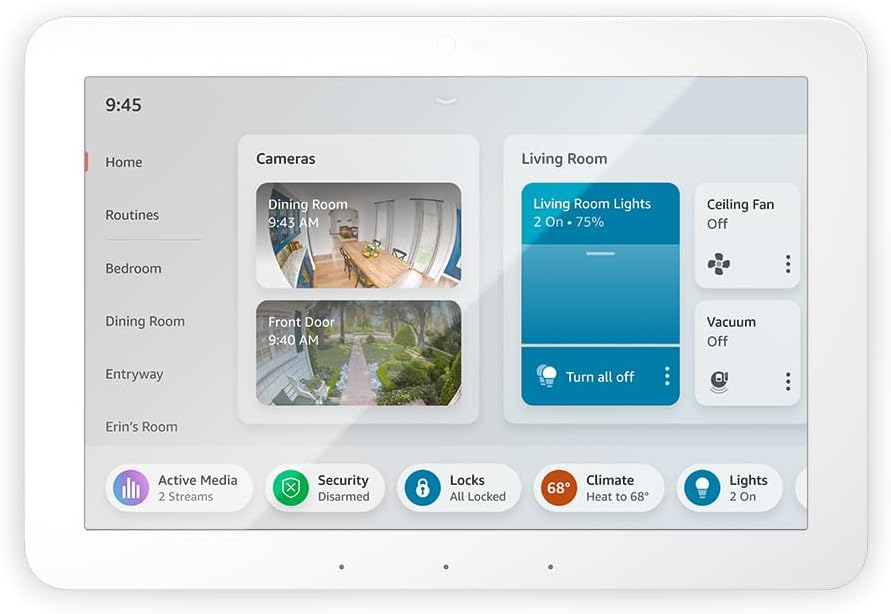
- Echo Show 11: Larger, more immersive display, perfect for home control dashboards and video calls.
- Echo Studio: Enhanced audio fidelity for multi-room entertainment and spatial sound experiences.
Intuitive, Conversational Home Automation
Alexa’s latest AI models enable more natural interactions and smarter automation:[2]
- No need for specific device names—simply say, “Alexa, I’m cold,” and Alexa knows to adjust the thermostat.
- Alexa understands context, so if you add a new smart bulb, you can say, “Turn on the new light in the living room,” and Alexa will know exactly which device you mean.
- Ambiguous requests like “It’s too bright in here” or “Make it cozier” are now understood and acted upon intelligently.
Unified Device Control and Seamless Integration
The Alexa+ Home dashboard brings all your smart home controls together:[1][4]
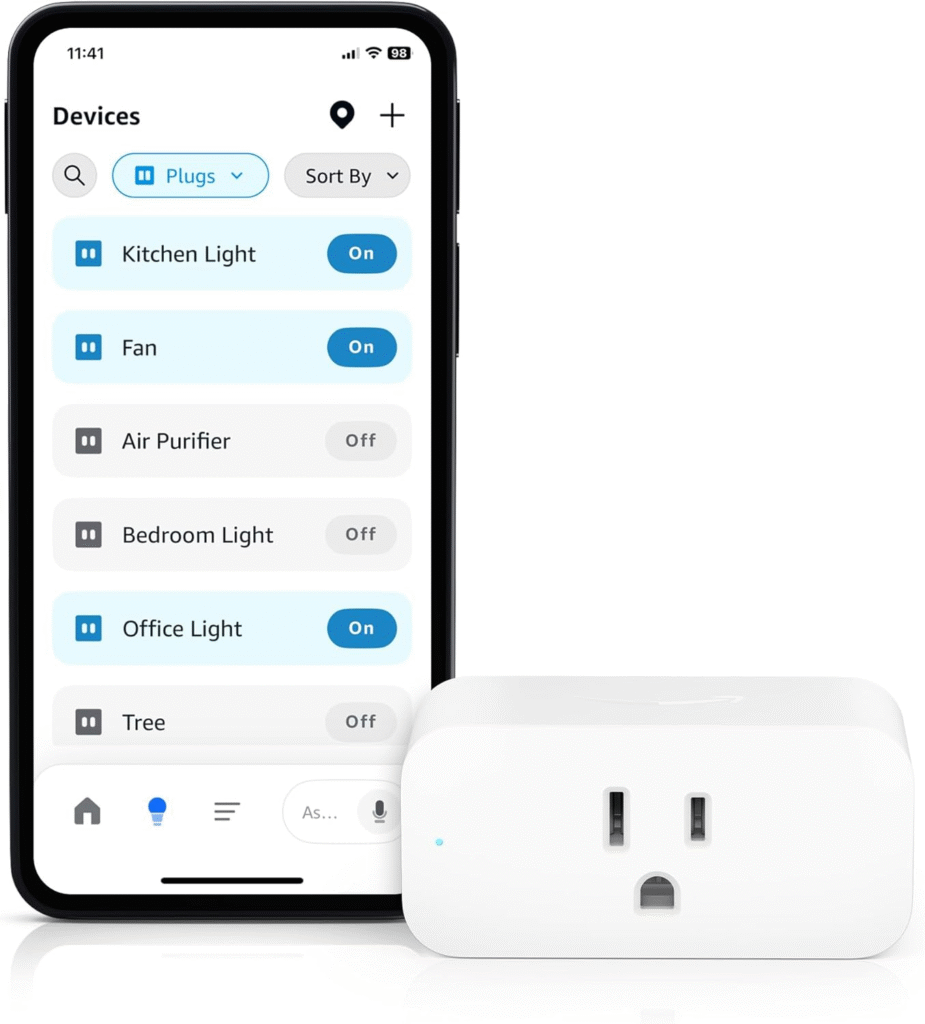
- Control thousands of devices: Lighting, appliances, thermostats, cameras, TVs, and more from a single interface.
- Event summaries from Ring cameras and other sensors, integrated into one view.
- Shopping essentials: Manage Amazon, Whole Foods, and Fresh orders, track deliveries, and reorder with a tap or voice command.[1]
- Health & Wellness: Access personalized wellness suggestions by connecting compatible health trackers.
Supported Connection Standards
- Zigbee
- Matter
- Thread
- Bluetooth Low Energy (BLE)
These standards ensure robust compatibility and future-proof your smart home investments.[1][4]
Best Practices for Building a Smart Home with Alexa
1. Start with the Right Devices
- Choose Echo devices with built-in hubs for maximum compatibility.
- Select smart home products certified for Zigbee, Matter, or Thread.
2. Set Up Routines for Automation
Use Alexa Routines to automate daily tasks. For example:
- “Alexa, it’s bedtime”: Turns off lights, locks doors, and starts sleep sounds.[6]
- “Alexa, good morning”: Adjusts thermostat, opens blinds, and reads news headlines.
Featured Routines in the Alexa app offer ready-made templates to speed up automation.[6]
3. Leverage Proactive Features
- Hunches: Alexa can suggest actions if it detects something out of place (e.g., a door left unlocked or a light left on at night).[6]
- Drop In: Instantly connect with family members in different rooms or locations via Alexa-enabled devices.
4. Prioritize Privacy and Security
- Regularly review privacy settings in the Alexa app.
- Manage health and wellness integrations carefully; only connect trusted partners and review data-sharing policies.[1]
5. Keep Your System Updated
- Enable automatic updates on Echo devices for the latest AI features and security enhancements.
- Check the Alexa app’s “What’s New” section for feature updates and smart home integrations.[8]
Future Trends and What’s Next
- Generative AI will continue to make Alexa more conversational and capable, with even more proactive, context-aware features.[2][3]
- Expanded health integrations with wellness partners for deeper insights and actionable recommendations.[1]
- Greater interoperability as Matter, Zigbee, and Thread adoption grows, making it easier to mix and match smart devices from different brands.
- Sustainability: Expect more energy-saving automations and eco-friendly device options.
Conclusion
The smart home landscape is evolving rapidly, and Alexa is at the forefront of this transformation. With Alexa+, advanced Echo devices, and seamless AI-driven automation, it’s easier than ever to create a home that’s truly intelligent, intuitive, and tailored to your lifestyle. Whether you’re just starting out or looking to upgrade your setup, now is the perfect time to explore what’s new with Alexa and take your smart home experience to the next level.