Alexa vs. Other Voice Assistants in 2025: A Comprehensive Comparison
In 2025, voice assistants have become essential companions in our digital lives. As artificial intelligence continues to advance, devices like Amazon Alexa, Google Assistant, and Apple Siri are more integrated, intuitive, and indispensable than ever. But how does Alexa compare to its competitors this year? This guide provides an in-depth look at how the major voice assistants stack up, helping you choose the right digital partner for your needs.
Table of Contents
- The Evolution of Voice Assistants in 2025
- Alexa, Google Assistant, and Siri: Key Features Compared
- Smart Home Integration
- AI Intelligence and Natural Language Processing
- Privacy and Security
- Productivity, Shopping, and Ecosystem
- What’s Next for Voice Assistants?
- Conclusion: Which Voice Assistant Should You Choose?
The Evolution of Voice Assistants in 2025
Voice assistants are no longer just tools for setting alarms or playing music—they act as AI-powered home managers, productivity boosters, and entertainment hubs. With more natural conversations, predictive capabilities, and seamless device integration, choosing the best assistant is tougher than ever [2].
Alexa, Google Assistant, and Siri: Key Features Compared
| Feature | Alexa | Google Assistant | Siri |
|---|---|---|---|
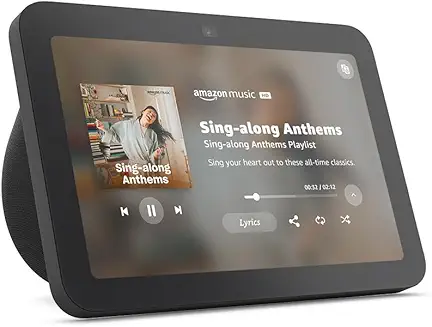
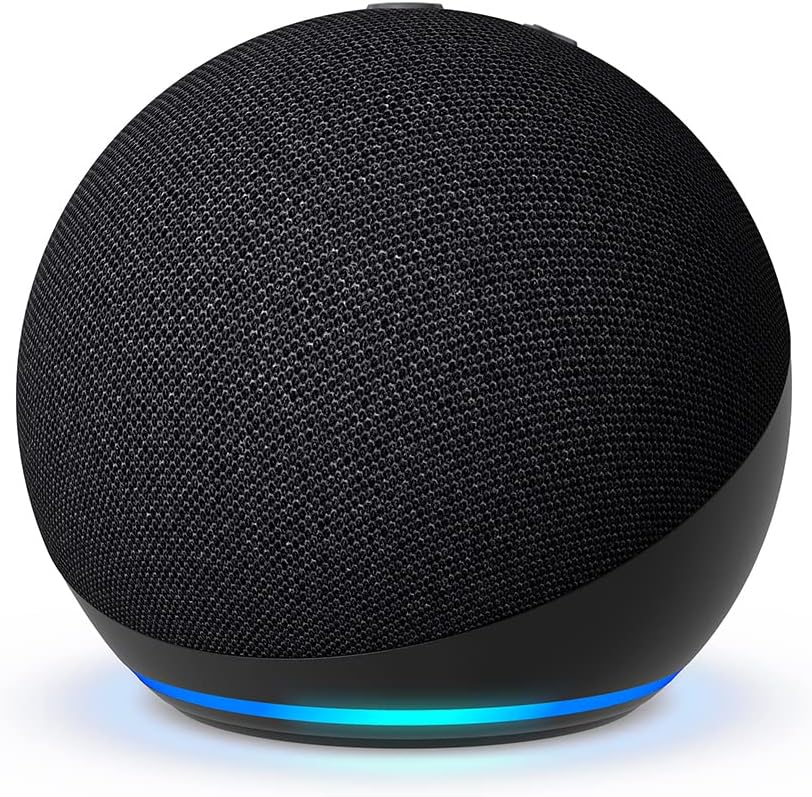
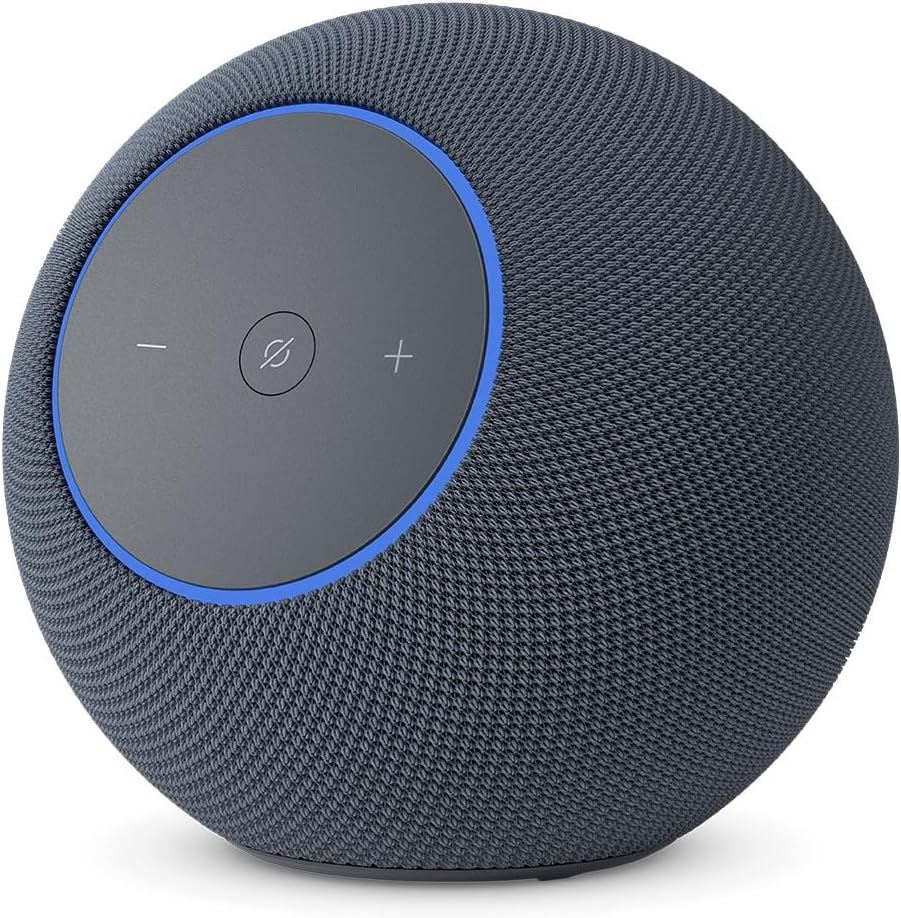
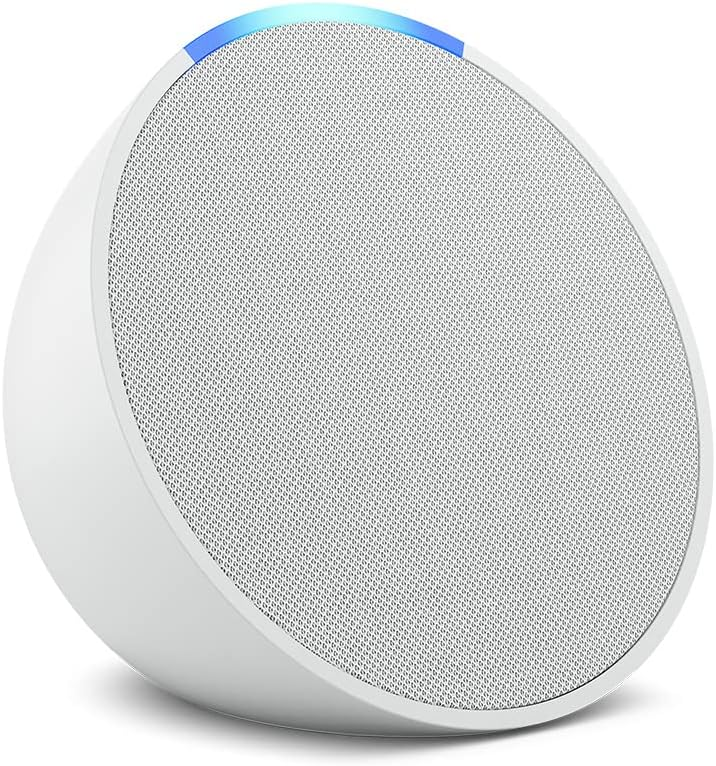
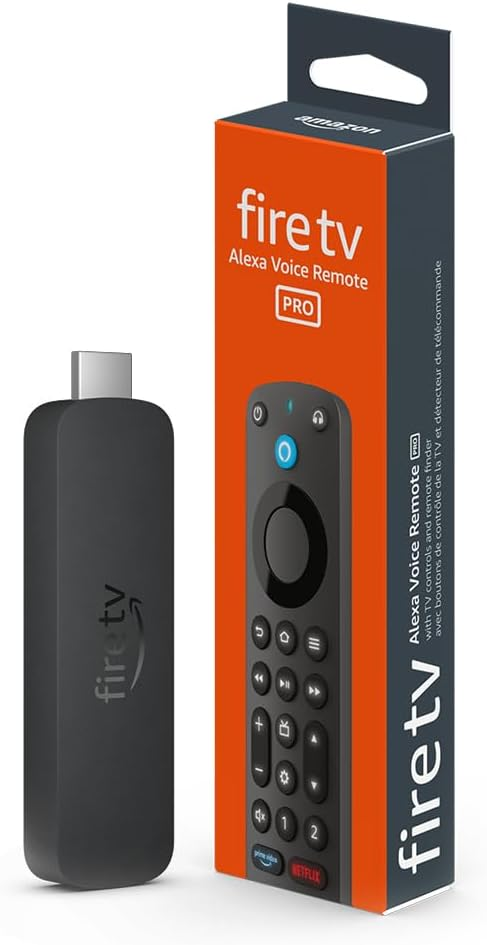
| Supported Devices | Amazon Echo, Fire TV, 3rd-party smart devices | Android, Nest, Chromecast, smart displays | iPhone, iPad, Mac, HomePod, Apple Watch |
| Smart Home Integration | Extensive, wide 3rd-party compatibility | Strong, but mostly within Google/Nest | HomeKit only, limited device range |
| Music Services | Amazon Music, Spotify, Apple Music | YouTube Music, Spotify, Apple Music | Apple Music |
| Language Support | Limited, improving | Supports many languages | Supports many languages, especially for Apple devices |
| Privacy & Security | Amazon standards, on-device AI emerging | Strong data controls, transparency | Processing on device, strong privacy focus |
| AI & NLP | NLP improving, conversational AI (Alexa+) | Leading in AI, natural conversations | Personalized, straightforward responses |
Source: Compiled from multiple 2025 reviews and industry comparisons[1][2][3][5][7].
Smart Home Integration
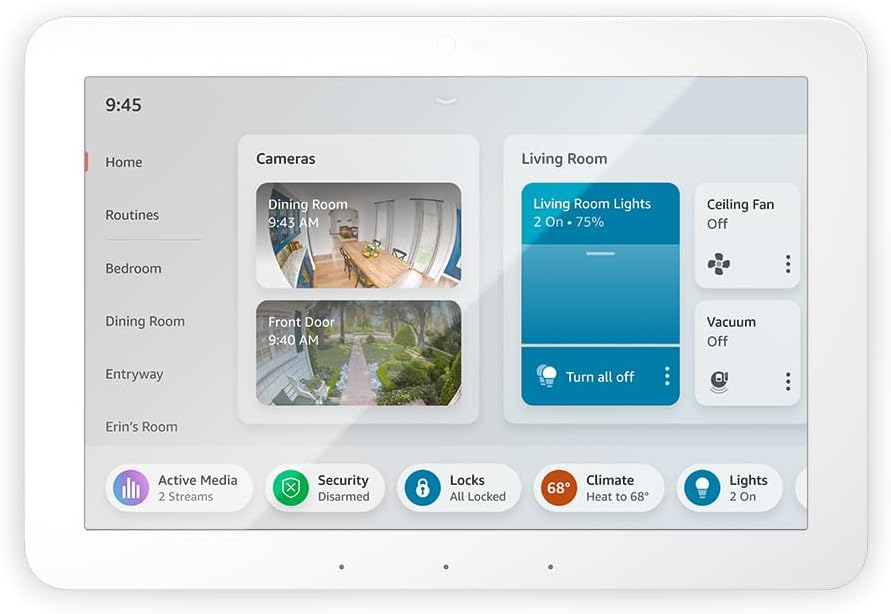
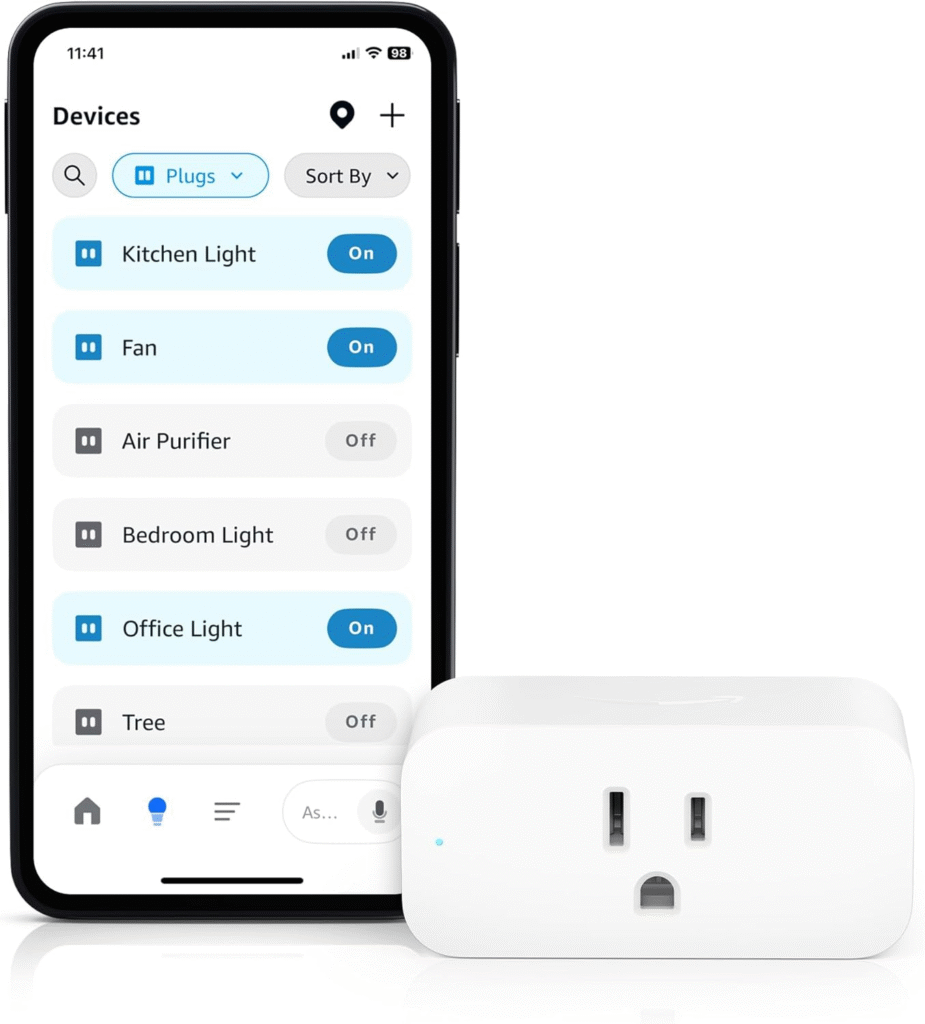
Alexa remains the leader in smart home compatibility in 2025. Its open ecosystem supports thousands of third-party devices—from lights and thermostats to security cameras and appliances. Setting up routines and automations is user-friendly, and Alexa’s Skills store adds further customization [2][5][7].
- Alexa: Best for users with diverse smart home devices and needs seamless, dynamic routines.
- Google Assistant: Integrates well with Google/Nest products; third-party support is growing but still behind Alexa.
- Siri: Apple HomeKit offers robust privacy but is limited to a narrower selection of supported devices [1][3].
AI Intelligence and Natural Language Processing
In 2025, Google Assistant is widely recognized for superior natural language understanding and contextual awareness, making conversations feel more natural. Alexa’s AI capabilities have improved with the introduction of Alexa+, shifting towards more conversational, voice-first interactions. Siri continues to offer straightforward, personalized responses, especially within the Apple ecosystem [2][5][10].
- Google Assistant: Best for advanced conversational AI, search, and context awareness.
- Alexa: Closing the gap in AI and NLP; excels in voice commerce and home management.
- Siri: Reliable, but less advanced in conversational AI than competitors.
Privacy and Security
Privacy is a top concern for voice assistant users in 2025. Here’s how the major assistants compare:
- Siri: Leads in privacy by processing most requests on-device, minimizing data sent to Apple servers. This design is appealing for privacy-conscious users [1].
- Google Assistant: Offers robust security and transparency, giving users granular control over their data [2].
- Alexa: Built-in protections are improving, with Amazon emphasizing on-device processing and stricter third-party data controls. However, past criticisms linger regarding data utilization [1][2].
Productivity, Shopping, and Ecosystem Strengths
- Amazon Alexa:
- Unmatched for voice shopping, especially for Amazon Prime users—one-command reorders, delivery tracking, and personalized recommendations [2][5].
- Supports household management—lists, alarms, calendar integration, and reminders.
- Works across a wide array of devices, both Amazon-made and third-party [2][5].
- Google Assistant:
- Excels in productivity—deep integration with Gmail, Calendar, and Google services.
- Great for finding deals, comparing prices, and managing tasks.
- Personalized routines and reminders powered by Google AI [2][5].
- Siri:
- Ideal for users in the Apple ecosystem—smooth performance across iPhone, Mac, Watch, and HomePod.
- Simple, reliable for everyday tasks, but less flexible outside Apple devices [1][3].
What’s Next for Voice Assistants?
Looking ahead, voice assistants are expected to become even more proactive, anticipating user needs and enabling advanced automations across homes, cars, and workplaces. On-device AI and privacy enhancements are likely to become standard. As 5G and edge computing mature, interactions will feel truly instantaneous, further blurring the lines between digital and physical experiences [2][8][10].
Conclusion: Which Voice Assistant Should You Choose?
Choosing the right voice assistant in 2025 depends on your unique needs:
- Choose Alexa if you want the best smart home compatibility, voice shopping, and a wide range of supported devices.
- Choose Google Assistant for advanced AI, superior productivity features, and tight integration with Google services.
- Choose Siri if you are deeply invested in the Apple ecosystem and value privacy and seamless device integration.
Ultimately, each assistant has matured significantly, and the best choice will align with your preferred ecosystem and daily habits. The future is bright for voice technology—2025 is a year of smarter, more helpful assistants.