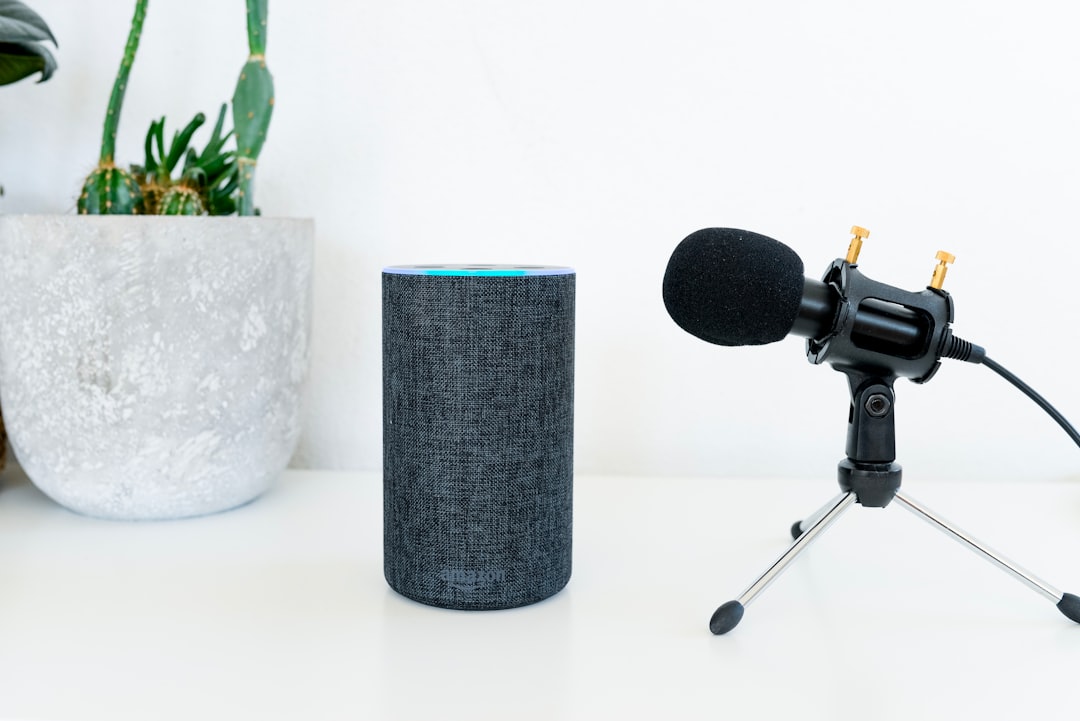
Amazon’s Alexa+ Revolution: A New Era of Conversational AI
Amazon has unveiled Alexa+, marking the most significant upgrade to its voice assistant platform since its inception. This next-generation system represents a departure from traditional voice commands toward truly conversational interactions[3][9]. Unlike the previous generation that required specific, rigid commands, Alexa+ understands context and nuance, allowing users to have natural, flowing conversations about their streaming preferences.
The technology behind this transformation relies on sophisticated cloud computing and Amazon’s advanced voice recognition service. When you speak to an Alexa-enabled device, it records your voice and transmits it to Amazon’s Alexa Voice Service (AVS), which processes the audio in real-time using deep learning models[2]. This computational power, hosted entirely in Amazon’s cloud servers, enables the system to decode complex sequences of words almost instantaneously, making interactions feel seamless and natural..
The 2025 Echo Lineup: Hardware Built for the Future
Amazon’s commitment to enhancing voice-activated streaming is evident in its redesigned hardware. The 2025 Echo devices feature custom-designed silicon and the Omnisense sensor fusion platform, which work together to deliver smarter, more personalized experiences[3].
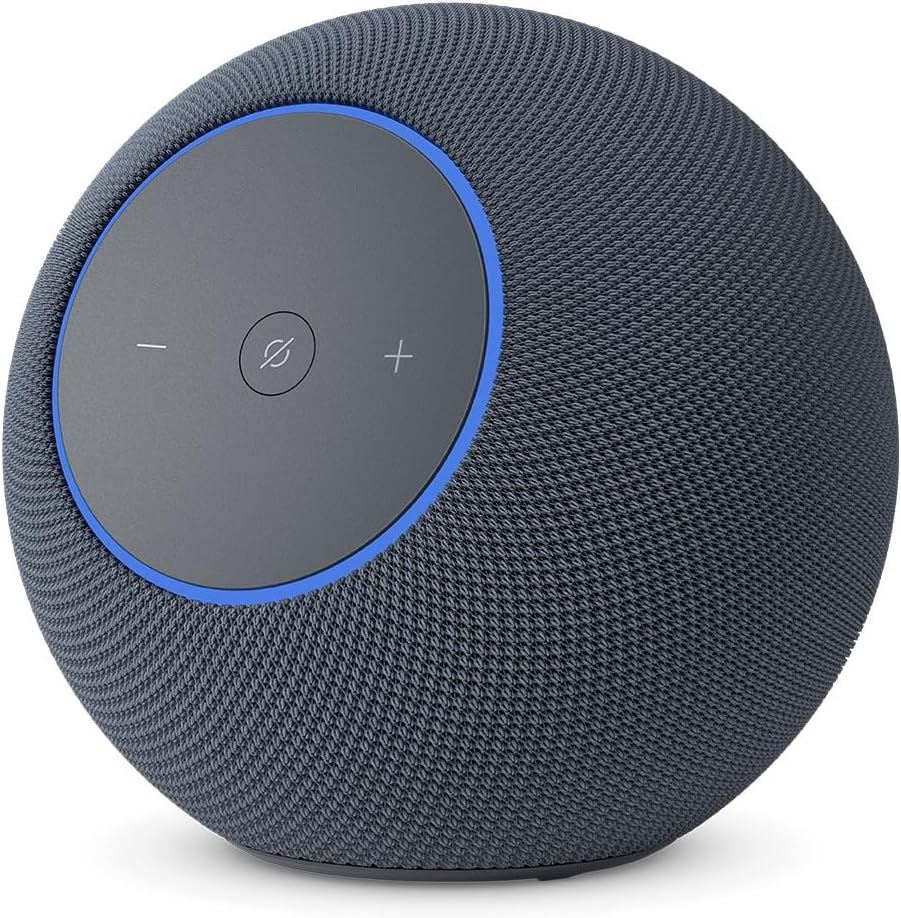
Echo Dot Max delivers nearly three times the bass of its predecessor while maintaining a compact form factor[1]. Its adaptive audio automatically adjusts to your space, making it ideal for bedroom or kitchen streaming. The boosted midrange and improved Alexa+ responsiveness ensure that voice commands are recognized even when music is playing at higher volumes.
Echo Studio, now 40% smaller than the original, continues to serve audiophiles seeking premium sound quality[1]. Equipped with a high-excursion woofer and Dolby Atmos support, it creates immersive 360-degree audio that transforms any room into a personal concert hall. The smart tuning capabilities ensure optimal sound regardless of room acoustics, while the compact design makes it easier to integrate into modern living spaces.
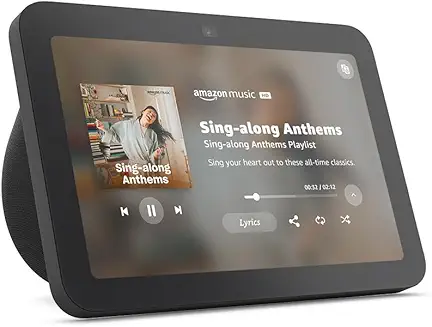
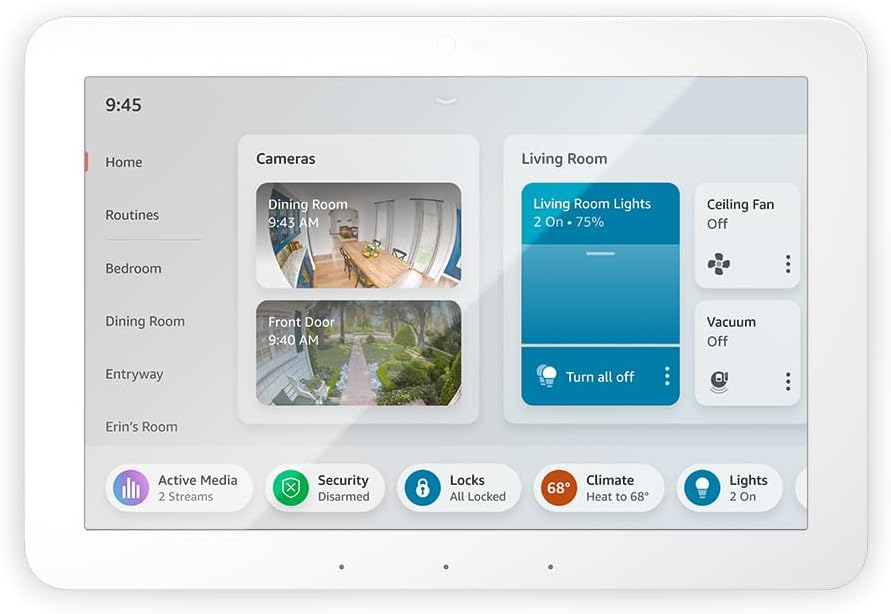
The redesigned Echo Show 8 and Echo Show 11 feature displays with over 1 million pixels, adaptive brightness, and improved viewing angles[1]. These smart displays combine visual and voice interaction, allowing users to follow along with lyrics, view album artwork, or browse streaming content while using voice commands. The enhanced resolution and brightness make video streaming more enjoyable, whether you’re watching music videos, concert footage, or streaming services integrated with Alexa.
Alexa Home Theater: Wireless Surround Sound Made Simple
One of the most exciting developments for streaming enthusiasts is Alexa Home Theater, which enables users to connect up to five Echo devices into a wireless surround sound setup[1]. The system automatically calibrates each speaker to deliver cinematic audio without the complexity of traditional wired systems. This feature represents a significant advancement for Fire TV users who want a premium home theater experience without the expense and installation challenges of conventional surround sound systems.
The auto-calibration technology analyzes room acoustics and adjusts each speaker’s output to create optimal sound staging. This means you can enjoy immersive audio for movies, concerts, and sporting events with minimal setup effort. The wireless nature of the system also provides flexibility in speaker placement, allowing you to experiment with different configurations to find what works best for your space.
Conversational Intelligence: Beyond Simple Commands
The evolution toward conversational AI represents perhaps the most significant leap forward in voice-activated streaming. Traditional voice assistants required users to phrase requests in specific ways, often leading to frustration when commands weren’t recognized. Alexa+ changes this dynamic fundamentally[4][6].
With conversational abilities, you can now have multi-turn dialogues with Alexa about your streaming preferences. For example, you might ask, \”Alexa, play some jazz music,\” followed by \”Something more upbeat,\” and then \”Add this to my workout playlist.\” The system maintains context throughout the conversation, understanding that each subsequent request relates to the music currently playing. This contextual awareness extends to complex requests, such as creating custom routines entirely by voice—you can instruct Alexa to execute a series of actions at specific times without navigating through multiple menus or apps[4].
Personalization and Adaptive Learning
Alexa+ introduces unprecedented levels of personalization to voice-activated streaming. The system learns from user behavior, interests, and household preferences over time[4][6]. If you consistently ask for jazz music on Sunday mornings or prefer documentary content in the evenings, Alexa+ will begin to anticipate these preferences and make proactive suggestions.
This personalization extends beyond individual users to entire households. Alexa+ can recognize different family members’ voices and tailor recommendations accordingly, ensuring that each person receives suggestions aligned with their unique tastes. The system delivers personalized highlights, suggests helpful routines, and proactively manages your home entertainment while keeping you informed of what matters most[7].
The Alexa+ Ecosystem: Seamless Device Integration
The future of voice-activated streaming isn’t limited to standalone speakers. Alexa+ integrates seamlessly across Amazon’s broader ecosystem, including Fire tablets, Echo devices, Ring products, and Fire TV systems[6][9]. This unified approach creates continuity in your streaming experience, allowing you to start watching something on your Echo Show, continue on your Fire TV, and finish on your tablet—all controlled by voice commands.
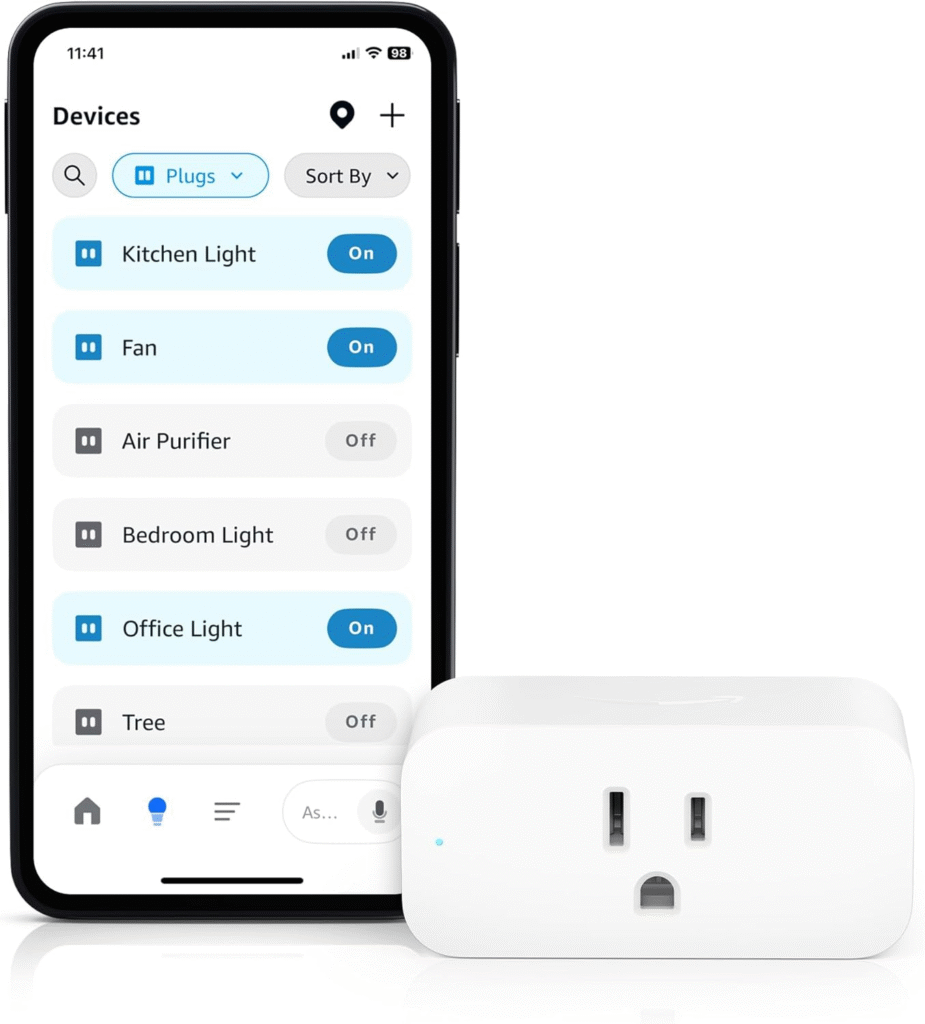
The upcoming Alexa+ store will connect users to thousands of devices and services, transforming Alexa into a complete lifestyle platform[1]. This integration includes partnerships with major brands and services, creating a centralized hub for all your streaming and smart home needs. The ability to control multiple devices simultaneously through natural language commands represents a significant convenience upgrade for users managing complex home entertainment setups.
Real-World Utility and Complex Task Automation
One of the most practical advantages of Alexa+’s enhanced capabilities is its ability to handle complex, real-world tasks[4]. The integration of large language models with hundreds of thousands of APIs enables Alexa to take meaningful actions beyond simple playback control. You can now use voice commands to search for specific content across multiple streaming services, create sophisticated automation routines, and manage your entire entertainment system without touching a remote or smartphone.
The system’s ability to process nuance and ambiguity—much like a human would—means you can use natural language rather than memorizing specific command structures. This intelligence extends to understanding intent, so asking \”play something relaxing\” will yield appropriate results based on your listening history and current context, such as time of day or recent activity patterns.
Enhanced Personality and Engagement
Amazon recognizes that successful voice assistants need personality to remain engaging over time[4]. Alexa+ maintains the beloved characteristics that made Alexa popular while adding the ability to express opinions and engage in more dynamic conversations. The system can now recommend movies with genuine enthusiasm, celebrate your music discoveries, or share interesting facts about artists and composers—making interactions feel more like conversations with a knowledgeable friend than commands issued to a machine.
This enhanced personality makes the streaming experience more enjoyable and helps users discover new content they might not have found through traditional browsing. The conversational approach encourages exploration and experimentation, as users feel more comfortable asking follow-up questions or seeking clarifications about recommendations.
The Technology Behind the Magic
Understanding how Alexa processes voice commands reveals the sophisticated engineering behind voice-activated streaming. When you issue a command, the device’s built-in technology identifies trigger words, then transmits your full request to Amazon’s cloud servers[2]. These servers convert audio to text using advanced speech recognition, then employ a decoder that evaluates both acoustic models (considering audio features) and language priors (analyzing word patterns from existing texts) to determine the most likely interpretation of your request.
This process, powered by deep learning and dynamic coding, happens in real-time—typically in fractions of a second[2]. The speed and accuracy of this system make voice control feel instantaneous and reliable, even for complex, multi-part commands. The continuous improvement of these models through machine learning means that Alexa becomes more accurate and responsive over time, learning from billions of interactions across its user base.
Implications for Content Creators and Services
The evolution of voice-activated streaming has significant implications for content providers and streaming services. As voice becomes the primary interface for many users, optimizing content for voice search and discovery becomes crucial. Services that integrate well with Alexa+ and provide rich metadata for voice queries will likely see increased engagement and discoverability.
Amazon’s development of enhanced crawling capabilities suggests that the company is working to gather real-time information about available content and services[6]. This means streaming platforms and content creators should ensure their offerings are properly indexed and described in ways that align with natural language queries users are likely to make.
Privacy and User Control
As voice-activated systems become more sophisticated and personalized, privacy considerations remain paramount. Amazon continues to provide users with control over their voice data, including the ability to review and delete voice recordings. The balance between personalization and privacy will continue to shape the development of voice-activated streaming technologies, with user trust serving as a critical factor in adoption and satisfaction.
Looking Ahead: The Next Frontier
The future of voice-activated streaming with Alexa extends beyond what’s currently available. As artificial intelligence continues to advance, we can expect even more natural interactions, better understanding of complex requests, and seamless integration across an expanding ecosystem of devices and services. The combination of improved hardware, sophisticated AI models, and extensive service integrations positions Alexa+ as a central hub for home entertainment and beyond.
The technology’s potential applications in healthcare, accessibility, and other domains suggest that voice-activated streaming is just one aspect of a broader transformation in how we interact with technology[8]. As these systems become more capable and ubiquitous, they will fundamentally change our expectations for device interaction and content consumption.
Conclusion
The future of voice-activated streaming with Alexa represents a convergence of hardware innovation, artificial intelligence advancement, and ecosystem integration. Amazon’s 2025 Echo devices and Alexa+ platform demonstrate that we’re moving beyond simple voice commands toward truly intelligent, conversational interactions that understand context, learn from behavior, and proactively enhance our entertainment experiences.
For consumers, this means more convenient access to content, better audio quality, and seamless control across multiple devices—all through natural conversation. The combination of premium sound quality, intelligent processing, and comprehensive service integration makes voice-activated streaming not just a convenience feature, but an essential component of modern home entertainment. As these technologies continue to evolve, we can expect even more innovative ways to discover, consume, and enjoy streaming content through the power of our voices.